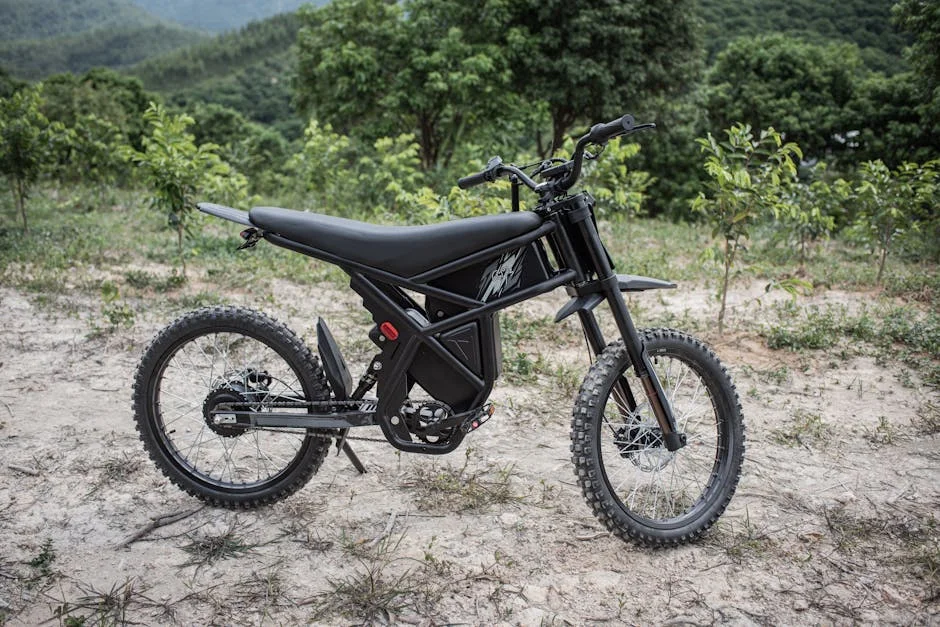
48V Lithium Ion Battery for Electric Bike Buyer's Guide

Affiliate disclosure: Some links on this page are affiliate links. If you buy through them we earn a small commission at no extra cost to you. Recommendations are research-driven; we don't claim personal use of every product reviewed. Product prices and availability are accurate as of the date published and are subject to change. Always check Amazon for current pricing before purchasing. Learn more.
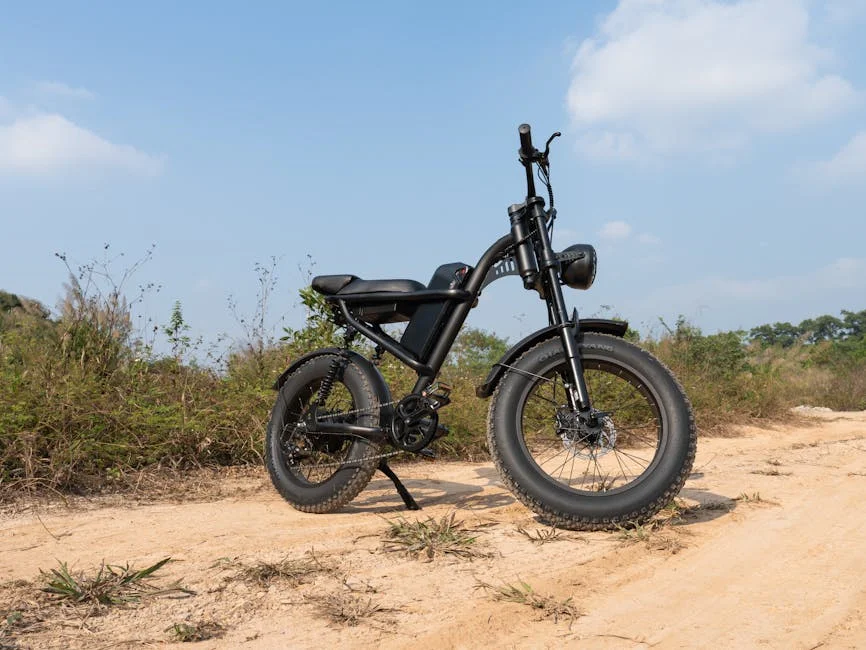
Quick Picks
Unbranded 48V Electric Bike Battery LG4800 21700 Cell for Ebike Conversion Wheel Kit and Rad Power Runner City - Lithium Ion eBike Battery for 48Volt 500W 750W 1500W Bafang and Other Kit(20Ah)
48V capacity suitable for e-bike conversion kits and specific models
Buy on AmazonUnbranded 48V 10.4Ah Lithium-Ion Battery - Universal Power Pack for Ele-c-tric Bike, Scooter, Motorcycle, Tricycle, Compatible with 0-1200W Motor, 1000W 750W 500W 250W E-b-ike Conversion Kit
High capacity 10.4Ah lithium-ion battery for extended range
Buy on AmazonUnbranded 48V Lithium Battery Charger – UL Certified 54.6V 2A Fast Charger for Electric Bike, with Auto Shutoff, Intelligent Temperature Control & Fire-Resistant Case
UL certified for safety and regulatory compliance
Buy on Amazon| Product | Price Range | Top Strength | Key Weakness | Buy |
|---|---|---|---|---|
| Unbranded 48V Electric Bike Battery LG4800 21700 Cell for Ebike Conversion Wheel Kit and Rad Power Runner City - Lithium Ion eBike Battery for 48Volt 500W 750W 1500W Bafang and Other Kit(20Ah) best overall | $ | 48V capacity suitable for e-bike conversion kits and specific models | Unbranded product may lack manufacturer support and warranty clarity | Buy on Amazon |
| Unbranded 48V 10.4Ah Lithium-Ion Battery - Universal Power Pack for Ele-c-tric Bike, Scooter, Motorcycle, Tricycle, Compatible with 0-1200W Motor, 1000W 750W 500W 250W E-b-ike Conversion Kit also consider | $ | High capacity 10.4Ah lithium-ion battery for extended range | Unbranded product may lack manufacturer support or warranty | Buy on Amazon |
| Unbranded 48V Lithium Battery Charger – UL Certified 54.6V 2A Fast Charger for Electric Bike, with Auto Shutoff, Intelligent Temperature Control & Fire-Resistant Case also consider | $$ | UL certified for safety and regulatory compliance | Unbranded products may lack established warranty or support | Buy on Amazon |
Finding a replacement or upgrade battery for a converted or production e-bike is one of the more consequential purchases in the build, the wrong cell chemistry, capacity, or connector will leave you stranded or, worse, create a charging hazard. The Batteries & Charging category covers this ground in depth, but this guide focuses specifically on 48V lithium-ion options that work across the most common conversion kits and production bikes running 500W to 1500W systems.
Claimed range figures deserve early skepticism. Most manufacturers test on flat pavement at low assist levels, conditions that have nothing to do with Front Range singletrack or any route with real climbing. Expect 40, 60% of the spec range in practice on technical terrain with elevation gain. Capacity, cell quality, and charger compatibility matter more than the headline number.
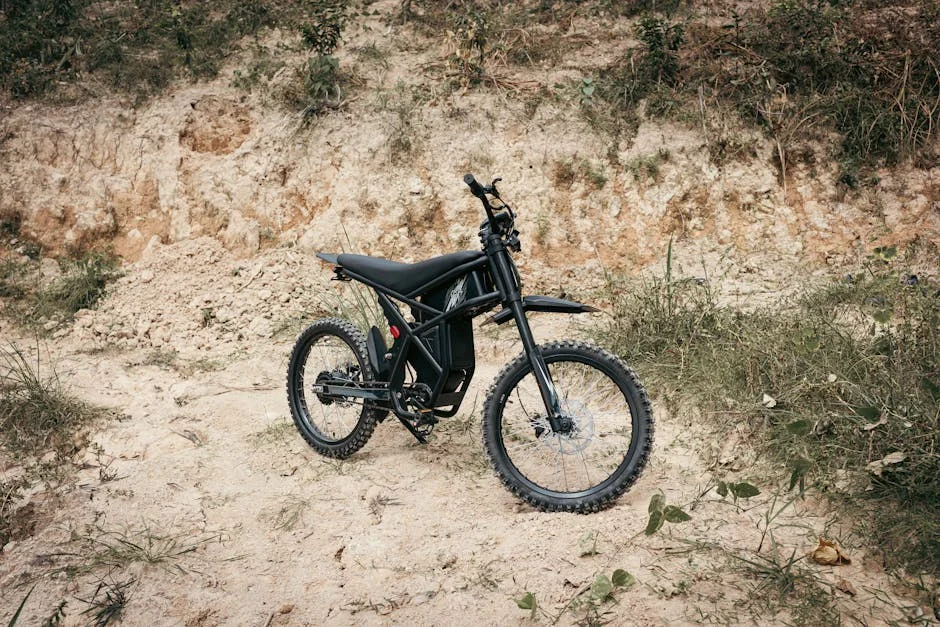
What to Look For in a 48V Lithium-Ion E-Bike Battery
Capacity and Cell Quality
Capacity is measured in amp-hours (Ah), and more Ah means more range, but only if the cells backing that number are worth trusting. A 20Ah pack built on genuine LG or Samsung 21700 cells delivers meaningfully different real-world performance than a 20Ah pack built on lower-grade cells with optimistic labeling. The difference shows up in sustained output under load, heat management during long climbs, and how many cycles the pack retains useful capacity.
When evaluating capacity claims, look for specific cell identification in the product listing. Manufacturers using quality cells, LG, Samsung, Panasonic, generally name them. Vague descriptions like “high-quality lithium cells” without a manufacturer name are a signal worth noting. Verified buyer reports and forum consensus on r/ebikes are often the most reliable source for real-world capacity confirmation.
Voltage Compatibility and BMS Spec
A 48V nominal battery actually charges to 54.6V fully and sits at roughly 44V near depletion. The battery management system (BMS) governs how the pack handles that range, it controls charge cutoff, discharge limits, temperature protection, and cell balancing. A well-spec’d BMS is not optional; it’s the component that prevents thermal events and premature cell death.
Match the BMS continuous discharge rating to your motor’s peak draw. A 750W motor at 48V pulls roughly 15, 16A continuously, with short bursts higher. A BMS rated for 20A continuous gives you adequate headroom. Running a motor that regularly exceeds the BMS discharge limit will trigger protection shutoffs mid-ride, frustrating at best, damaging at worst.
Physical Fit, Mounting, and Connector Type
Battery housings are not universal. Downtube-mounted packs designed for specific frames, Rad Power, Lectric, typical conversion rack mounts, have different dimensions and rail widths. A pack that doesn’t seat securely on the mount is a vibration and connection problem waiting to happen on anything rougher than pavement.
Connector type is equally critical. XT60, Anderson Powerpole, and various proprietary connectors are common on conversion kits; production bikes often use proprietary battery interfaces. Confirm the output connector matches your controller before purchasing. Adapters exist but add resistance and a potential failure point, a direct match is always preferable.
Charger Compatibility
The charger and battery are a system, not two independent purchases. A 48V lithium pack requires a charger that terminates at 54.6V. Using a charger with the wrong termination voltage, even slightly off, will either undercharge the pack or damage cells through chronic overcharge. UL certification on the charger indicates independent testing of the protection circuitry, which matters particularly for overnight charging.
Charge rate also affects cell longevity. A 2A charger on a 20Ah pack delivers a roughly 10-hour charge and is gentle on cells. Higher-amperage chargers charge faster but generate more heat, a trade-off worth considering for daily commuters versus occasional-use builds. The full picture on charger selection and battery maintenance lives in the Batteries & Charging section if you want to go deeper before committing.
Top Picks
48V Electric Bike Battery LG4800 21700 Cell
The 48V Electric Bike Battery LG4800 21700 Cell leads this list because of what’s inside it: LG 21700 cells, specifically named in the product title, in a 20Ah configuration. That’s a meaningful capacity number for a pack built on a credible cell chemistry. For a Bafang mid-drive or hub motor conversion running at 750W or higher, 20Ah gives you real range without the pack weight becoming a handling liability.
The naming convention, LG4800, refers to the specific cell model, which has a published discharge curve and verified energy density. That transparency is useful. Owner reports on this pack trend positive for consistent output under sustained climbing load, which is the condition that separates quality cells from marginal ones. The BMS on this pack is rated for compatibility with 500W, 750W, and 1500W systems, covering most conversion kit configurations.
Compatibility targeting includes Rad Power Runner and City models alongside generic conversion wheel kits, which covers a wide slice of the conversion and production market. Confirm your mounting configuration and output connector before ordering, the pack is designed for downtube or rack mounting depending on the housing variant. Verified buyer reports note the charger included in bundle options performs reliably with the 54.6V termination spec.
Check current price on Amazon.
48V 10.4Ah Lithium-Ion Battery
The 48V 10.4Ah Lithium-Ion Battery occupies a different position in the category. At 10.4Ah, the capacity is roughly half the LG4800 pack, a legitimate trade-off for builds where weight or physical dimensions are the primary constraint. Scooters, compact conversion kits, tricycles, and lighter commuter builds often sit in exactly this range, where a full 20Ah pack would be overkill in both size and cost.
Motor compatibility is broad: the listing covers 250W through 1200W, which means the BMS discharge spec is sized to handle the current draw across that range. For a 500W or 750W conversion kit, 10.4Ah is enough capacity for typical urban commute distances, the realistic range ceiling on mixed terrain will land closer to what a 20Ah pack delivers on sustained climbs. Universal pack format makes it compatible with multiple mounting configurations, which matters for builders working outside of a specific frame platform.
The honest case for this pack is narrowly practical: it’s the right answer when the larger pack won’t fit, when the build doesn’t need the range, or when weight distribution matters more than maximum distance. Owner feedback is positive for basic compatibility and charging behavior. Confirm the output connector matches your controller, the universal format means more connector variants in circulation.
Check current price on Amazon.
48V Lithium Battery Charger, UL Certified 54.6V 2A
Every 48V pack discussion eventually comes back to the charger, and the 48V Lithium Battery Charger, UL Certified 54.6V 2A deserves a direct look regardless of which battery you’re running. UL certification is not marketing language, it means the protection circuitry, temperature controls, and voltage termination have been independently tested. For a device you’re running at 54.6V while the bike sits in a garage overnight, that matters.
The auto-shutoff and intelligent temperature control features address the two primary failure modes in cheap 48V chargers: overcharge from failed termination and thermal events from inadequate heat management. The fire-resistant case is an additional margin of safety, not a redundancy. At 2A output against a 20Ah pack, charge time runs roughly 10 hours, a full overnight charge without pushing cells harder than necessary.
Verified buyer reports note reliable shutoff behavior and no excessive heat generation during normal charge cycles. The 54.6V output is correct for any nominal 48V lithium-ion pack; confirm your battery’s charge port connector matches before purchasing. This is a straightforward recommendation for anyone running a pack that didn’t come with a charger, or replacing a stock charger of unknown quality.
Check current price on Amazon.
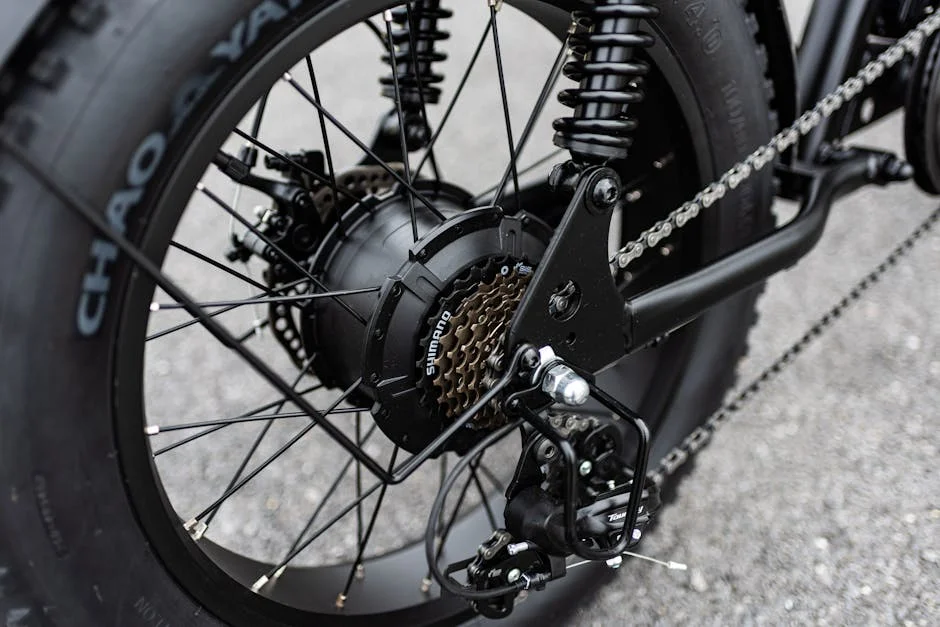
Buying Guide
How Much Capacity Do You Actually Need?
Capacity planning for an e-bike battery starts with honest range expectations, not manufacturer spec sheets. Most 48V pack listings cite range figures based on flat-road, low-assist testing. On terrain with real elevation gain, any route with consistent climbing, expect 40, 60% of that number. A 20Ah pack might deliver 60 miles on a flat bike path and 25 miles on a mixed singletrack and climb route.
For daily commuters on flat-to-rolling terrain, 10, 12Ah is sufficient for most round-trip distances under 30 miles. For trail riding, bikepacking, or longer assisted routes, 17, 20Ah provides the buffer that prevents range anxiety from changing ride decisions.
Matching the Battery to Your Motor System
The battery’s continuous discharge rating must exceed your motor’s peak current draw with headroom to spare. Running a battery BMS at or near its discharge ceiling during hard acceleration or sustained climbing will cause shutoffs and degrades cells faster. The rule of thumb: choose a BMS rated for at least 25% more continuous current than your motor’s nominal draw.
Motor voltage is not negotiable, a 48V motor requires a 48V battery. Some controllers operate across 36V, 52V ranges, but running a 48V nominal pack (54.6V full charge) into a controller rated for a lower ceiling creates real risk. Verify controller voltage tolerance before swapping packs in a mixed-spec build.
Cell Chemistry and Longevity
Lithium-ion cells in quality 21700 format, LG, Samsung, Panasonic, are rated for 500, 800 charge cycles before capacity drops below 80%. Lower-grade cells may lose capacity noticeably by cycle 200, 300. The practical difference over two years of regular riding is significant: a quality pack at cycle 400 might hold 17Ah of its original 20Ah; a marginal pack might hold 12Ah.
Longevity is also managed through charging habits. Keeping a lithium pack between 20% and 80% charge for regular use extends cycle life. Full charges are appropriate before long rides; storing a pack at 100% for extended periods accelerates degradation. These practices apply regardless of cell brand.
Charger Certification and Safety
A UL-certified charger is the minimum standard worth accepting for regular use. Independent certification means termination voltage, temperature cutoffs, and overcurrent protection have been verified, not self-reported. The 54.6V termination requirement for any nominal 48V pack is fixed; deviation in either direction costs range or damages cells.
For more context on pairing chargers with specific battery configurations and what to look for in charging infrastructure for different riding patterns, the e-bike battery and charger resources section covers these trade-offs in detail. Choosing the right charger is not a secondary decision, it directly affects pack lifespan.
Connector and Mounting Verification
The most common installation mistake in battery replacement or upgrade is an unconsidered connector mismatch. XT60, Anderson Powerpole, DC barrel, and proprietary formats are all in circulation. Adapters work, but they introduce additional resistance and a mechanical weak point that shows up over time, particularly on vibrating off-road surfaces.
Mounting verification is equally practical. Measure your existing battery tray or downtube mount dimensions before purchasing. Length, width, and rail spacing vary across frame manufacturers and housing designs. A pack that’s 5mm too wide for the retention mechanism is not a minor problem on a rough trail descent.
Frequently Asked Questions
What’s the difference between a 10Ah and a 20Ah 48V battery for trail riding?
Capacity directly determines how far you can ride before the pack depletes. A 10Ah pack is practical for shorter commutes and lighter builds where weight matters. A 20Ah pack like the 48V Electric Bike Battery LG4800 21700 Cell doubles the energy storage, which translates to meaningfully more range under climbing load, the condition where capacity gets consumed fastest. For trail riding with consistent elevation gain, the larger pack is the clear choice.
Does the charger matter if my battery came with one?
Stock chargers bundled with budget packs are worth scrutinizing. The critical spec is the termination voltage: a 48V lithium pack requires a 54.6V charger. A charger that terminates at the wrong voltage will either undercharge the pack or cause chronic overcharge damage. The 48V Lithium Battery Charger, UL Certified 54.6V 2A is a reasonable upgrade or replacement if the included charger has no certification documentation.
Can I use a 48V battery on my bike if it originally came with a 36V battery?
Not without verifying controller compatibility first. Some controllers support a voltage range that spans both 36V and 48V nominal systems, but many do not. Running a 48V pack, which reaches 54.6V at full charge, through a controller rated for 36V maximum will damage or destroy the controller. Check your controller’s input voltage specification before making any pack swap across voltage tiers.
How do I know if a replacement battery will physically fit my bike?
Measure the existing pack’s housing dimensions and compare them against the replacement listing. Key measurements are overall length, width, and, for downtube or rack-mounted packs, rail or bracket spacing. Also confirm the output connector type matches your controller’s input. The 48V 10.4Ah Lithium-Ion Battery uses a universal format that fits multiple configurations, but universal does not mean all configurations.
What does BMS continuous discharge rating mean for motor compatibility?
The BMS (battery management system) limits how much current the pack can deliver continuously without triggering a protection shutoff. If your motor draws more current than the BMS is rated for, especially during hard acceleration or sustained climbing, the BMS will cut power to protect the cells. Match the BMS continuous rating to at least 25% above your motor’s nominal current draw, and verify peak draw compatibility for the motor system you’re running.
Where to Buy
Unbranded 48V Electric Bike Battery LG4800 21700 Cell for Ebike Conversion Wheel Kit and Rad Power Runner City - Lithium Ion eBike Battery for 48Volt 500W 750W 1500W Bafang and Other Kit(20Ah)See 48V Electric Bike Battery LG4800 2170… on Amazon