45 mph Electric Bike: What Speed Claims Actually Mean

Affiliate disclosure: Some links on this page are affiliate links. If you buy through them we earn a small commission at no extra cost to you. Recommendations are research-driven; we don't claim personal use of every product reviewed. Product prices and availability are accurate as of the date published and are subject to change. Always check Amazon for current pricing before purchasing. Learn more.
Quick Picks
Unbranded 6000W Peak Electric Bike for Adults, 52V 32AH Dual Motor E-Bike, Up to 90Mile & 45 M P H All-Terrain Fat Tires Full Suspension 24/26 Inch Electric Bicycles Hydraulic Disc Brake for Road UL2849 by SGS
Dual motor system with 6000W peak power delivers strong acceleration
Buy on AmazonWERHY Electric Bike for Adults, 500W Motor, 20 MPH Max Speed Folding Ebike, 14" Electric Bicycles, Max 20/30 Miles Range (Pedal Assist Mode), Mini E Bikes
500W motor provides adequate power for adult commuting
Buy on AmazonVivi Folding Electric Bike for Adults, 20" x 2.4 Fat Tire Ebike, Peak 750W Foldable Electric Bicycle, 20MPH Commuter E-Bike with 48V Removable Battery, 7 Speed, SGS Certified to UL2849
750W motor enables commuting speeds up to 20MPH
Buy on Amazon| Product | Price Range | Top Strength | Key Weakness | Buy |
|---|---|---|---|---|
| Unbranded 6000W Peak Electric Bike for Adults, 52V 32AH Dual Motor E-Bike, Up to 90Mile & 45 M P H All-Terrain Fat Tires Full Suspension 24/26 Inch Electric Bicycles Hydraulic Disc Brake for Road UL2849 by SGS also consider | $$ | Dual motor system with 6000W peak power delivers strong acceleration | Unbranded product may lack established warranty or customer support infrastructure | Buy on Amazon |
| WERHY Electric Bike for Adults, 500W Motor, 20 MPH Max Speed Folding Ebike, 14" Electric Bicycles, Max 20/30 Miles Range (Pedal Assist Mode), Mini E Bikes also consider | $$ | 500W motor provides adequate power for adult commuting | 14-inch wheels smaller than standard adult bikes, affecting ride comfort | Buy on Amazon |
| Vivi Folding Electric Bike for Adults, 20" x 2.4 Fat Tire Ebike, Peak 750W Foldable Electric Bicycle, 20MPH Commuter E-Bike with 48V Removable Battery, 7 Speed, SGS Certified to UL2849 also consider | $$ | 750W motor enables commuting speeds up to 20MPH | Folding frame may reduce structural rigidity versus full-size bikes | Buy on Amazon |
The phrase “45 mph electric bike” gets used loosely online, and that gap between marketing language and mechanical reality matters more than most buyers realize. Some bikes claiming that speed rating are dual-motor freight platforms weighing over 100 pounds. Others are lightly assisted commuters that top out at 20 mph regardless of what the spec sheet implies. Sorting that out before purchase saves real money and frustration.
What you actually get at that performance tier, and whether it suits your riding style, comes down to motor architecture, battery capacity, and regulatory classification. Those factors also determine what trails or roads a given bike can legally and safely operate on.
What Does “45 MPH” Actually Mean on an Electric Bike
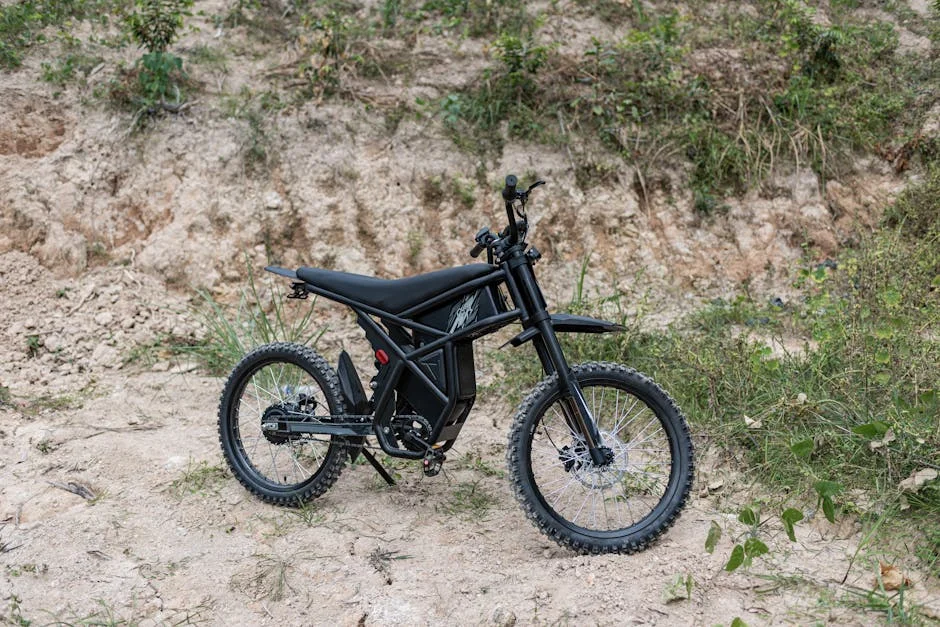
Speed claims on e-bikes carry a lot of asterisks. Federal classification under the Consumer Product Protection Act caps Class 3 e-bikes at 28 mph with pedal assist. Anything exceeding that threshold falls outside standard e-bike classification, which means it may be subject to moped, motorcycle, or off-highway vehicle regulations depending on your state. Colorado, for reference, follows the three-class federal framework for road and trail access. A claimed 45 mph bike is not a Class 3 commuter. It is a different product category.
Manufacturer speed claims also depend heavily on rider weight, terrain, temperature, and battery state of charge. A 52V dual-motor platform may hit 45 mph on flat pavement with a 160-pound rider and a full battery. That same bike at altitude, into a headwind, with a 200-pound rider, will perform differently. Altitude effects are real at Front Range elevations, and they compound on battery-powered systems because motor efficiency drops with thinner air cooling.
The Specs & Performance section covers motor classification, voltage architecture, and how those specs translate to real-world output in more depth. Understanding those fundamentals is worth the time before evaluating any high-speed platform.
Motor Architecture: Peak vs. Continuous Wattage
Peak wattage numbers are marketing anchors, not operational specs. A “6000W peak” system almost never sustains that draw for more than a few seconds. Continuous rated wattage, typically printed in fine print or buried in the manual, is the number that governs real-world performance over a full ride.
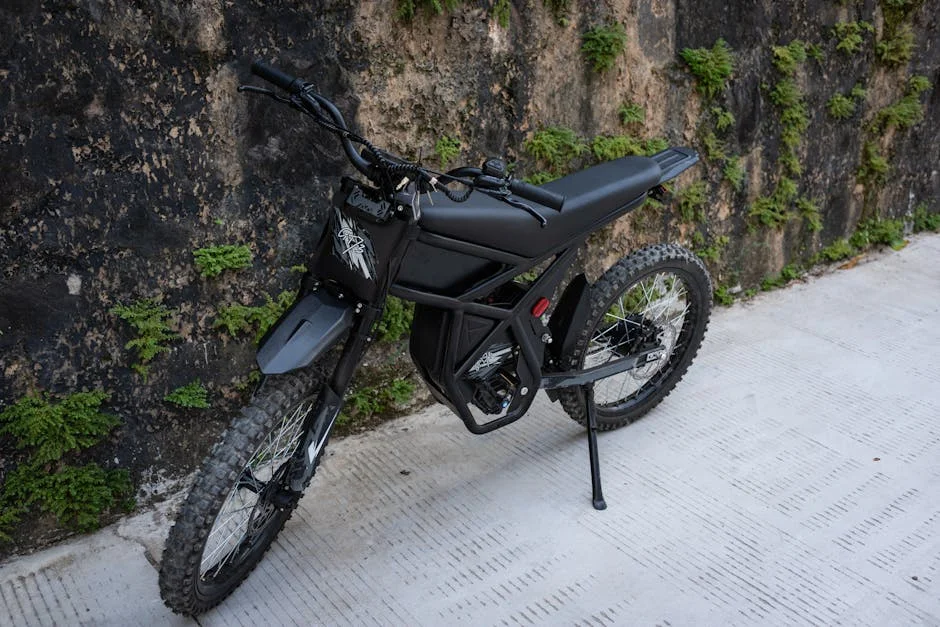
Dual-motor configurations add mechanical complexity. Two controllers, two motors, and a battery pack sized to feed both systems adds significant weight. For trail riding, that weight penalty degrades handling in switchbacks and on technical descents in ways that raw acceleration numbers do not capture. For the use cases where a 45 mph dual-motor platform makes sense, which is primarily open-terrain or off-road use away from legal trail restrictions, the trade-off may be acceptable.
Torque sensor versus cadence sensor integration matters here too. Higher-powered systems in this category typically use throttle-dominant control rather than the torque-sensing pedal integration that trail-oriented motors like the Bosch CX or Shimano EP8 use. That produces a different riding feel, more scooter-like than bicycle-like under hard acceleration.
Fat Tires, Full Suspension, and the Off-Road Equation
Fat tires (typically 4-inch width or wider) provide a genuine traction benefit on loose, sandy, or snow-covered terrain. They also add rolling resistance, increase rotational mass, and require more motor output to maintain speed on pavement. On a high-powered dual-motor platform, that trade-off is manageable because the motor headroom absorbs it. On a lower-powered system, fat tires can noticeably reduce range and top speed.
Full suspension matters significantly for rider comfort at higher speeds on rough terrain. Suspension quality on sub-premium bikes varies widely. Spec sheets listing “full suspension” may describe coil-sprung forks with no adjustability and basic linkage rear ends with limited travel. That is functional for casual off-road use but behaves differently than the 150mm quality-tuned suspension on trail-class bikes.
Top Picks
6000W Peak Electric Bike for Adults
The 6000W Peak Electric Bike for Adults, 52V 32AH Dual Motor E-Bike is the most capable platform in this group on paper. The dual-motor configuration pairs with a 52V 32AH battery pack, which represents meaningful energy storage capacity. At that voltage and amp-hour rating, the battery architecture can sustain extended draw without rapid voltage sag under load.
The 90-mile range claim follows standard manufacturer testing methodology, meaning flat pavement, moderate assist, controlled temperature, and a lighter test rider. Verified buyer reports and general forum consensus on high-powered dual-motor platforms suggest real-world range at 40 to 60 percent of spec figures under mixed-terrain conditions. At altitude with significant climbing, expect to land toward the lower end of that band.
The UL2849 certification through SGS is a meaningful safety signal. That standard covers battery pack construction, charging system, and electrical component integrity. For an unbranded product, third-party safety certification provides more assurance than brand reputation alone.
The primary concern with unbranded high-power platforms is post-purchase support. There is no established dealer network, no manufacturer service infrastructure, and replacement parts sourcing can be uncertain. Field reports from buyers of similar unbranded dual-motor bikes frequently cite controller and motor connectivity issues as the most common failure point, with repair requiring direct-to-manufacturer communication across time zones.
At the mid-range price band for a 6000W peak dual-motor system, this bike targets buyers who want maximum output without premium platform pricing. That trade-off is explicit, not hidden.
Check current price on Amazon.
WERHY Electric Bike for Adults
The WERHY Electric Bike for Adults does not belong in a 45 mph performance conversation based on its specifications. A 500W motor and 20 mph max speed place it squarely in the Class 2 commuter category. It appears here for comparative framing because buyers searching “45 mph electric bike” sometimes encounter folding commuters alongside high-speed platforms and need a clear picture of what each actually is.
The folding design and 14-inch wheels make this a legitimate urban mobility tool. Verified buyers note compact storage as the primary value driver, particularly for apartment dwellers or combined transit users. The 20 to 30 mile range on pedal assist is realistic for flat urban commuting and reflects honest spec representation rather than inflated claims.
Where this bike fails the 45 mph target entirely is motor output and chassis dynamics. Fourteen-inch wheels at speed are mechanically unstable. The platform was engineered for low-speed urban use, and operating it near its speed ceiling on anything other than flat pavement carries real handling risk.
For buyers who genuinely need a compact commuter tool, this category of bike has clear strengths. For buyers expecting trail performance or high-speed output, the specifications do not support those expectations.
Check current price on Amazon.
Vivi Folding Electric Bike for Adults
The Vivi Folding Electric Bike for Adults sits between the two other products in this group in terms of output capability. A 750W peak motor on a folding fat-tire frame with 20-inch wheels occupies a niche between pure commuter and light off-road use. The SGS certification to UL2849 matches the safety credential of the unbranded 6000W platform, which is notable for a mid-range folding bike.
The 20 mph max speed aligns with Class 2 federal classification, meaning this bike has a clear regulatory status for road use. The 20-inch fat tires provide genuine traction improvement over standard-width tires on loose or wet surfaces, though the rolling resistance trade-off is real. Field reports from buyers using similar fat-tire folders on mixed terrain note that battery drain increases noticeably when moving from pavement to unpacked surfaces.
The folding frame introduces a structural variable worth understanding. Folding hinges are stress concentration points under lateral load and repeated flex cycles. Buyer reports on folding fat-tire bikes in this price band frequently mention hinge wear as a long-term maintenance consideration, particularly for heavier riders or regular off-road use.
Like the WERHY, this bike does not meet a 45 mph performance standard. It is included because buyers in this search category encounter it alongside high-speed platforms and the spec differences are worth making explicit.
Check current price on Amazon.
Buying Guide: Evaluating 45 MPH Electric Bike Claims
Understanding Legal Classification Before Buying
A bike capable of 45 mph does not fit federal e-bike classification. Class 3 tops at 28 mph with pedal assist. Anything faster is regulated differently at the state level, and some states require registration, insurance, and a motorcycle or moped license for operation on public roads. Colorado prohibits motor-assisted bikes above Class 3 from designated trail systems entirely. Buying a high-speed platform without clarifying its legal operating context creates problems that specs alone cannot solve.
The Specs & Performance hub covers regulatory classification in more depth alongside motor architecture comparisons. That context is foundational before committing to a high-speed purchase.
Battery Capacity and Real-World Range
A 52V 32AH battery is a high-capacity pack relative to most consumer e-bikes. Watt-hour capacity, calculated by multiplying voltage by amp-hours, determines total energy available. That figure, combined with average motor draw under load, gives a more honest range estimate than manufacturer claims. Dual-motor platforms draw significantly more current under acceleration than single-motor systems, which compresses real range faster than spec sheets suggest.
Altitude reduces both motor efficiency and battery thermal performance. Cold temperatures, common for early-season Colorado riding, reduce usable battery capacity by 15 to 30 percent in some lithium pack configurations. Factor both variables into range planning for any riding above 6,000 feet.
Weight, Handling, and Practical Limitations
A dual-motor fat-tire full-suspension platform in this output class typically weighs over 100 pounds. That weight affects transportation logistics significantly. Standard hitch racks have weight limits, and some single-bike platforms are not rated for bikes above 60 or 70 pounds. The 1Up USA rack handles heavier bikes well, but not all rack systems do. Verify rack capacity before transporting any high-weight e-bike platform.
Handling dynamics at higher speeds are also directly affected by geometry and weight distribution. Longer wheelbase reduces agility in tight turns. Fat tires at speed require more input to change direction than narrower tires. These characteristics suit straight-line speed on open terrain but penalize riders who expect trail-bike responsiveness in technical terrain.
Motor Transparency and Control Interface
High-powered systems in this category use throttle control as the primary input, which differs fundamentally from the torque-sensing integration of trail-oriented motors. Throttle systems deliver power based on grip position rather than pedaling effort, which changes the physical interaction with the bike. For buyers coming from quality torque-sensor platforms, the transition can feel coarse. For buyers primarily interested in raw transport capability, throttle control is intuitive and direct.
Controller quality is a meaningful differentiator on unbranded high-power platforms. The controller governs power delivery, regenerative braking behavior, and thermal protection. Verified buyer reports across multiple unbranded dual-motor platforms indicate that controller failure is the most common mechanical issue, and replacement sourcing is the most common post-failure complaint.
Service Access and Long-Term Ownership Costs
Premium e-bike brands with dealer networks offer a fundamentally different ownership experience than unbranded direct-to-consumer platforms. That difference is priced in, and at the mid-range price band, buyers are accepting reduced service infrastructure as part of the value equation. For high-powered platforms with complex electrical systems, that trade-off deserves explicit acknowledgment before purchase.
Local bike shops generally decline warranty or repair work on unbranded high-power e-bikes. Specialized, Trek, and similar dealer-supported brands have service frameworks that simply do not exist for unbranded platforms. Factor that into the total cost of ownership, not just the purchase price.
Closing Thoughts
The 45 mph electric bike category requires more careful evaluation than most product searches because the regulatory context, safety implications, and real-world performance gaps are wider here than in conventional cycling. Peak wattage claims compress meaningful differences between platforms into misleading comparisons, and range figures on high-output dual-motor systems deserve significant discounting from stated specs. For buyers who understand those parameters clearly, the unbranded dual-motor platform in this group offers real output capability at a mid-range price. For buyers who need a legal, portable, urban-use bike, the folding options serve that role regardless of how they appear in speed-category search results.
For deeper coverage of how motor specs, voltage architecture, and battery capacity translate to actual trail performance, the performance specs hub is worth bookmarking.
Frequently Asked Questions
Is a 45 mph electric bike street legal?
In most U.S. states, a bike capable of 45 mph falls outside federal e-bike classification and is regulated as a moped or motor vehicle. That typically requires registration, insurance, and a valid operator’s license. Colorado law follows the three-class federal framework, which caps e-bikes at 28 mph. Operating an unclassified high-speed electric vehicle on public roads without proper credentials creates legal and insurance exposure that buyers should resolve before purchase.
What does “6000W peak” actually mean in daily use?
Peak wattage represents the maximum draw the system can produce for a brief burst, typically during hard acceleration. Sustained continuous output is considerably lower, often one-third to one-half of the peak figure. In daily use, the motor operates at continuous rated wattage under normal load and briefly spikes to peak output during acceleration or steep climbing. Relying on peak figures for range or speed estimates produces unrealistic expectations.
How accurate are the range claims on high-powered dual-motor bikes?
Manufacturer range figures are tested on flat pavement at moderate speeds with a controlled rider weight and full battery. Real-world range on mixed terrain with climbing, altitude, cold temperatures, or heavier riders typically lands at 40 to 60 percent of the stated figure. A claimed 90-mile range on a dual-motor platform should be budgeted at 40 to 55 miles for practical planning purposes under real riding conditions.
Can a folding electric bike handle off-road terrain?
Folding fat-tire e-bikes can manage mild off-road surfaces including packed gravel, fire roads, and light singletrack at moderate speeds. Folding frame hinges introduce a structural variable that standard frames avoid, and hinge wear is a documented long-term concern at heavier rider weights. Technical terrain with significant impact load, roots, or rock features exceeds the intended use case for most folding e-bikes regardless of tire width.
What should buyers know about unbranded high-power e-bike warranty support?
Unbranded high-power platforms typically ship with a limited manufacturer warranty serviced through direct online communication, often across international time zones. Local bike shops generally will not perform warranty or repair work on unbranded electrical systems. Third-party safety certification such as UL2849 through SGS provides electrical component assurance but does not substitute for an accessible service network. Parts sourcing for controllers and motors is the most frequently cited post-failure challenge in buyer reports.
<script type="application/ld+json">
{
"@context": "https://schema.org",
"@type": "FAQPage",
"mainEntity": [
{
"@type": "Question",
"name": "Is a 45 mph electric bike street legal?",
"acceptedAnswer": {
"@type": "Answer",
"text": "In most U.S. states, a bike capable of 45 mph falls outside federal e-bike classification and is regulated as a moped or motor vehicle. That typically requires registration, insurance, and a valid operator's license. Colorado law follows the three-class federal framework, which caps e-bikes at 28 mph. Operating an unclassified high-speed electric vehicle on public roads without proper credentials creates legal and insurance exposure that buyers should resolve before purchase."
}
},
{
"@type": "Question",
"name": "What does '6000W peak' actually mean in daily use?",
"acceptedAnswer": {
"@type": "Answer",
"text": "Peak wattage represents the maximum draw the system can produce for a brief burst, typically during hard acceleration. Sustained continuous output is considerably lower, often one-third to one-half of the peak figure. In daily use, the motor operates at continuous rated wattage under normal load and briefly spikes to peak output during acceleration or steep climbing. Relying on peak figures for range or speed estimates produces unrealistic expectations."
}
},
{
"@type": "Question",
"name": "How accurate are the range claims on high-powered dual-motor bikes?",
"acceptedAnswer": {
"@type": "Answer",
"text": "Manufacturer range figures are tested on flat pavement at moderate speeds with a controlled rider weight and full battery. Real-world range on mixed terrain with climbing, altitude, cold temperatures, or heavier riders typically lands at 40 to 60 percent of the stated figure. A claimed 90-mile range on a dual-motor platform should be budgeted at 40 to 55 miles for practical planning purposes under real riding conditions."
}
},
{
"@type": "Question",
"name": "Can a folding electric bike handle off-road terrain?",
"acceptedAnswer": {
"@type": "Answer",
"text": "Folding fat-tire e-bikes can manage mild off-road surfaces including packed gravel, fire roads, and light singletrack at moderate speeds. Folding frame hinges introduce a structural variable that standard frames avoid, and hinge wear is a documented long-term concern at heavier rider weights. Technical terrain with significant impact load, roots, or rock features exceeds the intended use case for most folding e-bikes regardless of tire width."
}
},
{
"@type": "Question",
"name": "What should buyers know about unbranded high-power e-bike warranty support?",
"acceptedAnswer": {
"@type": "Answer",
"text": "Unbranded high-power platforms typically ship with a limited manufacturer warranty serviced through direct online communication, often across international time zones. Local bike shops generally will not perform warranty or repair work on unbranded electrical systems. Third-party safety certification such as UL2849 through SGS provides electrical component assurance but does not substitute for an accessible service network. Parts sourcing for controllers and motors is the most frequently cited post-failure challenge in buyer reports."
}
}
]
}
</script>Where to Buy
Unbranded 6000W Peak Electric Bike for Adults, 52V 32AH Dual Motor E-Bike, Up to 90Mile & 45 M P H All-Terrain Fat Tires Full Suspension 24/26 Inch Electric Bicycles Hydraulic Disc Brake for Road UL2849 by SGSSee 6000W Peak Electric Bike for Adults, … on Amazon