40 mph Electric Bicycle: Speed, Legality & Real Performance

Affiliate disclosure: Some links on this page are affiliate links. If you buy through them we earn a small commission at no extra cost to you. Recommendations are research-driven; we don't claim personal use of every product reviewed. Product prices and availability are accurate as of the date published and are subject to change. Always check Amazon for current pricing before purchasing. Learn more.
Quick Picks
Unbranded Folding Electric Bike for Adults, 500W Motor 25MPH & 35Miles Long Range, 14” Mini E-Bike with Removable 48V 576Wh Battery, UL Certified Electric Bicycle for Commuting & Teens
500W motor and 35-mile range enable longer commutes per charge
Buy on AmazonYorkE 26“ Electric Bike for Adult,1000W Peak, up 80 Miles Removable Battery Ebike,Adult Electric Bicycles for All Terrain,Men Women E Bike, 7-Speed
1000W peak motor provides strong acceleration and hill climbing
Buy on AmazonUnbranded 6000W Peak Electric Bike for Adults, 52V 32AH Dual Motor E-Bike, Up to 90Mile & 45 M P H All-Terrain Fat Tires Full Suspension 24/26 Inch Electric Bicycles Hydraulic Disc Brake for Road UL2849 by SGS
Dual motor system with 6000W peak power delivers strong acceleration
Buy on Amazon| Product | Price Range | Top Strength | Key Weakness | Buy |
|---|---|---|---|---|
| Unbranded Folding Electric Bike for Adults, 500W Motor 25MPH & 35Miles Long Range, 14” Mini E-Bike with Removable 48V 576Wh Battery, UL Certified Electric Bicycle for Commuting & Teens also consider | $ | 500W motor and 35-mile range enable longer commutes per charge | Unbranded product may lack established warranty and support network | Buy on Amazon |
| YorkE 26“ Electric Bike for Adult,1000W Peak, up 80 Miles Removable Battery Ebike,Adult Electric Bicycles for All Terrain,Men Women E Bike, 7-Speed also consider | $$ | 1000W peak motor provides strong acceleration and hill climbing | Budget brand positioning typically means fewer premium components | Buy on Amazon |
| Unbranded 6000W Peak Electric Bike for Adults, 52V 32AH Dual Motor E-Bike, Up to 90Mile & 45 M P H All-Terrain Fat Tires Full Suspension 24/26 Inch Electric Bicycles Hydraulic Disc Brake for Road UL2849 by SGS also consider | $$ | Dual motor system with 6000W peak power delivers strong acceleration | Unbranded product may lack established warranty or customer support infrastructure | Buy on Amazon |
The phrase “40 mph electric bicycle” gets typed into search bars by two very different people: someone who wants to understand what’s legally and mechanically possible on a modern e-bike, and someone who’s already decided they want maximum speed and is looking for hardware to match. Both groups deserve straight answers, not marketing copy built around peak wattage numbers that only appear for half a second under ideal lab conditions.
Speed capability on an e-bike is a function of motor system, battery voltage, controller programming, and rider weight, and those variables interact in ways that claimed top speeds rarely acknowledge. The Specs & Performance breakdown matters more than any single headline number.
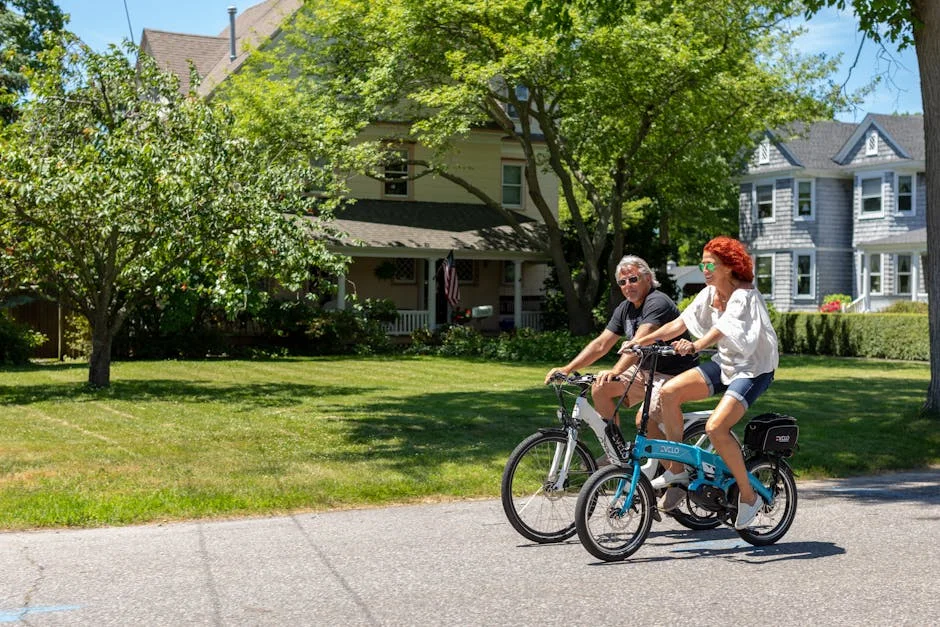
What Does 40 MPH Actually Mean for an Electric Bike
Legal Classification First
In the United States, electric bicycles are federally classified into three tiers. Class 1 bikes top out at 20 mph with pedal assist only. Class 2 adds a throttle but keeps the same 20 mph ceiling. Class 3 raises that ceiling to 28 mph with pedal assist. Anything that reaches or exceeds 40 mph under motor power alone exits bicycle territory entirely and enters moped or motorcycle classification, depending on your state’s vehicle code.
That distinction matters practically. A 40 mph capable machine typically cannot legally operate on bike paths, multi-use trails, or in many bike lanes. Registration, insurance, and licensing requirements vary by state but are far more common for vehicles in this performance range. Buyers should check their specific state DMV guidelines before purchasing anything marketed around 40 mph top speed.
How Manufacturers Get to 40 MPH
Getting an e-bike to 40 mph requires more than a powerful motor. You need a high-voltage battery system (52V is common at this tier), a controller that doesn’t throttle back the motor before that speed, and enough torque to overcome wind resistance at speed. Dual-motor configurations show up frequently in this category because a single hub motor struggles to maintain power delivery efficiently past 30 mph.
The gear ratio on the drivetrain also plays a role on pedal-assist machines. A bike tuned for top speed often sacrifices low-speed torque and hill-climbing responsiveness. Verified buyer reports on high-speed builds frequently mention that the motor feels underwhelming on steep climbs despite impressive top-speed specs, which is a direct consequence of tuning for maximum velocity rather than a balanced assist curve.
Weight and Brake Implications
A dual-motor fat-tire e-bike capable of 40 mph typically weighs between 70 and 90 pounds. That weight combined with 40 mph potential makes stopping distances a serious engineering concern. Mechanical disc brakes found on budget builds are inadequate for these speeds. Hydraulic disc brakes are the minimum acceptable specification, and rotor size matters. Forum consensus on Pinkbike and MTBR consistently flags undersized rotors as a safety concern on high-speed builds.
Top Picks
Folding Electric Bike for Adults (500W, 48V 576Wh)
The Folding Electric Bike for Adults, 500W Motor 25MPH & 35Miles Long Range, 14” Mini E-Bike with Removable 48V 576Wh Battery, UL Certified Electric Bicycle for Commuting & Teens is not a 40 mph machine, and that context is worth stating clearly. This bike is built around a 500W motor with a 25 mph top speed, which places it firmly in Class 2 territory.
The 48V 576Wh battery is a meaningful spec for a folding bike in this price band. The battery capacity compares reasonably to mid-tier folding competitors, and the removable design means you can charge it separately from the bike, which matters if you’re storing the bike in a basement or a locker room. Verified buyers note the folding mechanism is straightforward and the bike fits into compact spaces that a full-size e-bike cannot.
The 14-inch wheels are the honest limitation here. Smaller wheels amplify road vibration, reduce rollover capability on uneven surfaces, and affect stability at higher speeds. At 25 mph on smooth pavement this is manageable. The UL certification is a legitimate safety credential worth noting, particularly for budget-tier electronics where battery quality varies considerably across unbranded products.
Check current price on Amazon.
YorkE 26” Electric Bike (1000W Peak, 80-Mile Range)
The YorkE 26” Electric Bike for Adult, 1000W Peak, up 80 Miles Removable Battery Ebike, Adult Electric Bicycles for All Terrain, Men Women E Bike, 7-Speed moves the conversation into mid-range territory with a 1000W peak motor and a larger wheel size that better suits adult riders across varied terrain.
The 1000W peak figure deserves unpacking. Peak wattage is a momentary output number, not a sustained rating. The continuous output on most motors marketed this way runs closer to 500W to 750W depending on the controller. That’s not a knock against the YorkE specifically, it’s a category-wide transparency issue. What matters more than the peak number is how the motor delivers power across different cadences and assist levels. Owner reports indicate solid hill-climbing performance, which suggests the torque delivery is adequate for moderate inclines.
The 80-mile range claim requires the same scrutiny applied to any claimed range figure. Manufacturers derive these numbers from flat-ground, low-assist, controlled-temperature testing. Real-world range on mixed terrain with elevation change will be meaningfully lower. For context, altitude-adjusted range at elevation in Colorado consistently comes in 40 to 60 percent below spec figures. Treat the 80-mile number as a ceiling achieved under ideal conditions, not an everyday expectation.
Check current price on Amazon.
6000W Peak Dual Motor Fat Tire E-Bike (52V 32AH, 45 MPH)
The 6000W Peak Electric Bike for Adults, 52V 32AH Dual Motor E-Bike, Up to 90Mile & 45 MPH All-Terrain Fat Tires Full Suspension 24/26 Inch Electric Bicycles Hydraulic Disc Brake for Road UL2849 by SGS is the machine in this group closest to the 40 mph discussion. The 45 mph top speed claim, dual motor setup, and 52V battery architecture all point toward a build intentionally tuned for high-end velocity.
The dual motor configuration is the most technically relevant spec here. Two hub motors working in concert provide more total torque than a single motor can deliver, which supports both the top speed claim and the hill-climbing capability. The 52V 32AH battery is a substantial power source, and the math on that capacity supports the 90-mile range claim more credibly than most single-motor budget builds. Verified buyer reports and SGS/UL2849 certification indicate at least baseline safety testing has been conducted on the electrical system, which is not universal in this category.
Fat tires at this weight and speed deserve serious attention. The additional contact patch improves traction and stability, which matters at speeds where front-end instability becomes a real concern. The hydraulic disc brakes listed in the spec sheet are appropriate for this performance level. Buyers should confirm rotor diameter before purchasing. Larger rotors (203mm or bigger) dissipate heat more effectively during repeated high-speed stops, and that’s a safety specification worth verifying directly.
Check current price on Amazon.
Buying Guide: Evaluating High-Speed E-Bikes
Motor Architecture and Sustained Output
Peak wattage numbers across the 40 mph e-bike category are marketing figures. The number that predicts real-world performance is continuous rated output, which represents what the motor can sustain without thermal throttling. Hub motors in the rear wheel are the most common configuration in this price range, but they transfer heat differently than mid-drive motors and can struggle on sustained climbs when pushed near their thermal limits.
Dual-motor setups distribute load across two motors, which reduces the heat burden on each unit and supports both top speed and hill climbing. For detailed context on how motor architecture affects range and performance, the Specs & Performance hub covers these tradeoffs across e-bike categories.
Battery Voltage and Real-World Range
Voltage determines the ceiling of your motor’s power output. A 52V system delivers meaningfully more power than a 48V system running the same motor, all else equal. Capacity in amp-hours (AH) determines how long the system can sustain that output. A 52V 32AH battery, like the one in the dual-motor build above, represents a high-capacity configuration relative to the mid-range category.
Range claims are the least reliable number in any e-bike spec sheet. Flat pavement at low assist in mild temperatures produces the best-case figures manufacturers publish. Add elevation gain, heavier assist levels, cold temperatures (battery capacity drops measurably below 40 degrees Fahrenheit), or a heavier rider, and the real number falls quickly. Build a 40 to 60 percent reduction into any planning that involves range as a critical variable.
Braking and Safety at Speed
This is the specification that separates a fast bike from a dangerous one. Hydraulic disc brakes are the standard for anything approaching 40 mph. The fluid-actuated system provides progressive feel and consistent modulation under repeated use that cable-actuated mechanical discs cannot match. Rotor diameter matters alongside the brake type itself.
Forum consensus on high-speed e-bike builds points consistently to 203mm rotors as the appropriate minimum for bikes in the 45 mph range. Smaller rotors overheat faster under hard stops, which reduces braking effectiveness precisely when you need it most. Check the spec sheet, not just the marketing copy, for rotor size.
Legal and Registration Considerations
Any e-bike exceeding 28 mph under motor power is operating outside federal Class 3 limits. Whether that triggers registration, insurance, or licensing requirements depends on the state. California, for example, requires Class 3 bikes to be ridden by riders 16 and older and prohibits them from Class 1 bike paths. A 40 to 45 mph machine likely triggers moped classification in most states, which brings its own compliance requirements.
Buyers who plan to ride these machines on public roads should research their state DMV classification for vehicles in this speed range before purchasing. Riding a moped-class vehicle on a bike path is a legal exposure that a fast machine creates even if the rider never intended it.
Weight, Portability, and Practical Tradeoffs
High-speed e-bikes are heavy. The dual-motor fat-tire configuration in this category routinely lands between 70 and 90 pounds. That weight affects everything from storage to transport to handling at low speeds. Unlike a lighter trail-oriented e-MTB that can be loaded onto a 1Up rack without much effort, machines in this weight range require a more deliberate loading process and often need dedicated rack specifications to handle the load.
The tradeoff is stability and range capacity. A heavier frame accommodating a large battery and dual motors provides a stable high-speed platform. Buyers who need portability should weight that against the performance ceiling honestly. The folding 500W option covered above represents the opposite end of that tradeoff spectrum.
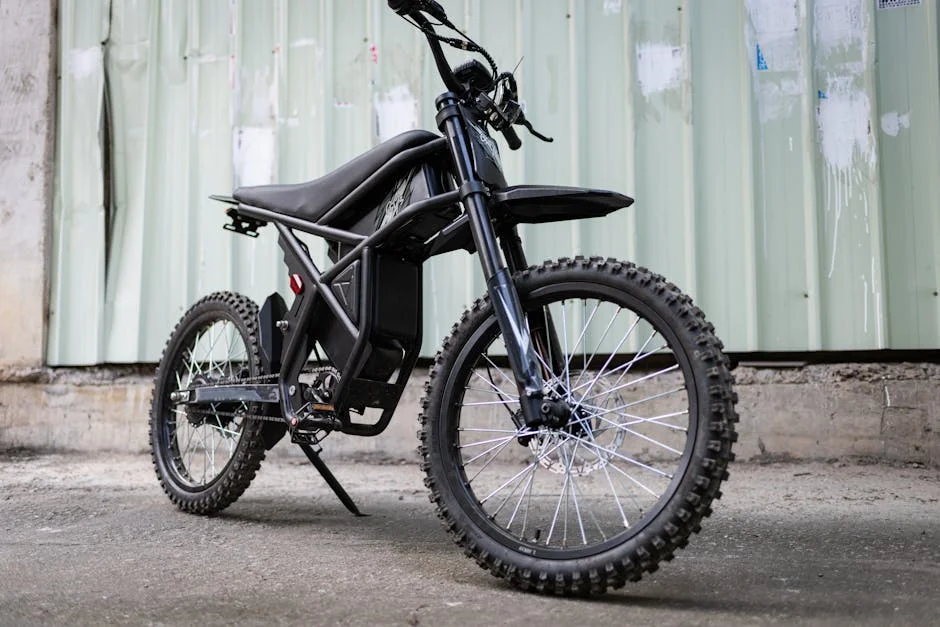
Frequently Asked Questions
Is a 40 MPH Electric Bike Street Legal?
In most U.S. states, a bicycle capable of 40 mph under motor power exceeds Class 3 e-bike classification and falls under moped or motorcycle regulations. This typically requires registration, insurance, and a valid driver’s license or motorcycle endorsement. Riding one on a public bike path or trail is generally prohibited in this classification. Check your state DMV’s specific definitions before purchasing a machine in this speed range.
What Motor Setup Is Required to Reach 40 MPH?
Reaching 40 mph typically requires a dual-motor configuration or a single high-output hub motor paired with a 52V or higher battery system. A standard 750W single motor on a 48V system will approach 28 to 32 mph under ideal conditions but struggles to sustain 40 mph against wind resistance. Controller programming also plays a role, as many motors are electronically limited below their mechanical top speed.
How Accurate Are 90-Mile Range Claims on High-Speed E-Bikes?
Manufacturer range figures are derived from flat-ground, low-assist testing under ideal temperature conditions. Real-world range on mixed terrain with elevation, higher assist levels, cold weather, or heavier rider weight typically comes in 40 to 60 percent below the stated figure. A bike claiming 90 miles should be budgeted closer to 45 to 55 miles for mixed real-world use. High assist levels and sustained high speeds accelerate battery drain significantly faster than the test conditions suggest.
Are Fat Tires Better for High-Speed E-Bikes?
Fat tires provide a larger contact patch, which improves stability and traction at high speeds, particularly on uneven or loose surfaces. They also absorb more road vibration than narrower tires, which matters on the heavy builds common in this category. The tradeoff is rolling resistance on smooth pavement, where a narrower tire is more efficient. For riders prioritizing top speed on smooth roads, fat tires add some drag, but for mixed-terrain use they improve overall control.
What Brakes Are Safe for a 40 MPH E-Bike?
Hydraulic disc brakes are the minimum acceptable specification for a machine capable of 40 mph. Cable-actuated mechanical disc brakes lack the progressive modulation and heat dissipation needed for repeated high-speed stops. Rotor diameter should be 203mm or larger. Smaller rotors overheat under sustained hard braking, which degrades stopping performance. Buyers should verify rotor size in the spec sheet rather than relying on the brake type alone to determine adequacy.
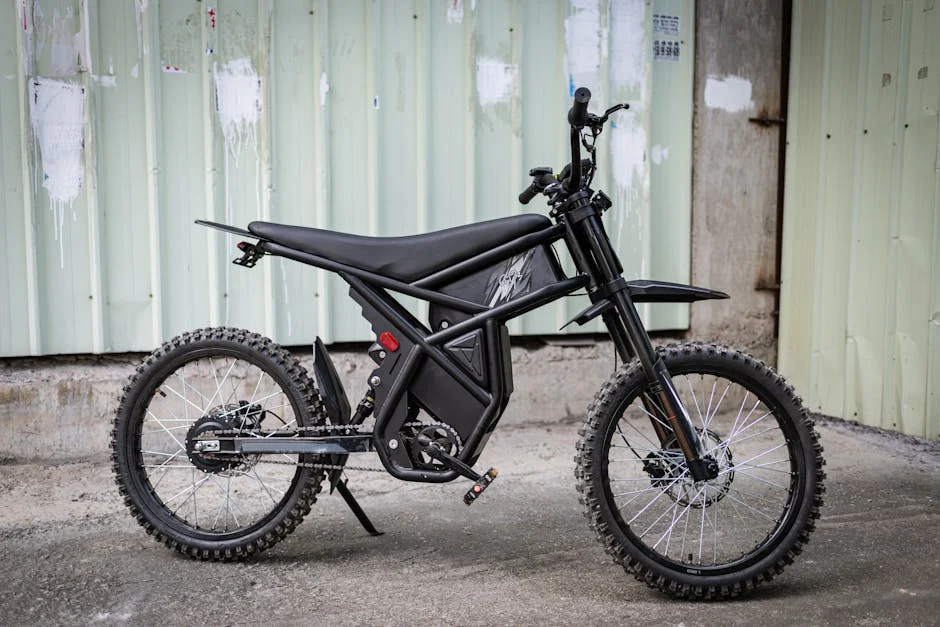
<script type="application/ld+json">
{
"@context": "https://schema.org",
"@type": "FAQPage",
"mainEntity": [
{
"@type": "Question",
"name": "Is a 40 MPH Electric Bike Street Legal?",
"acceptedAnswer": {
"@type": "Answer",
"text": "In most U.S. states, a bicycle capable of 40 mph under motor power exceeds Class 3 e-bike classification and falls under moped or motorcycle regulations. This typically requires registration, insurance, and a valid driver's license or motorcycle endorsement. Riding one on a public bike path or trail is generally prohibited in this classification. Check your state DMV's specific definitions before purchasing a machine in this speed range."
}
},
{
"@type": "Question",
"name": "What Motor Setup Is Required to Reach 40 MPH?",
"acceptedAnswer": {
"@type": "Answer",
"text": "Reaching 40 mph typically requires a dual-motor configuration or a single high-output hub motor paired with a 52V or higher battery system. A standard 750W single motor on a 48V system will approach 28 to 32 mph under ideal conditions but struggles to sustain 40 mph against wind resistance. Controller programming also plays a role, as many motors are electronically limited below their mechanical top speed."
}
},
{
"@type": "Question",
"name": "How Accurate Are 90-Mile Range Claims on High-Speed E-Bikes?",
"acceptedAnswer": {
"@type": "Answer",
"text": "Manufacturer range figures are derived from flat-ground, low-assist testing under ideal temperature conditions. Real-world range on mixed terrain with elevation, higher assist levels, cold weather, or heavier rider weight typically comes in 40 to 60 percent below the stated figure. A bike claiming 90 miles should be budgeted closer to 45 to 55 miles for mixed real-world use. High assist levels and sustained high speeds accelerate battery drain significantly faster than the test conditions suggest."
}
},
{
"@type": "Question",
"name": "Are Fat Tires Better for High-Speed E-Bikes?",
"acceptedAnswer": {
"@type": "Answer",
"text": "Fat tires provide a larger contact patch, which improves stability and traction at high speeds, particularly on uneven or loose surfaces. They also absorb more road vibration than narrower tires, which matters on the heavy builds common in this category. The tradeoff is rolling resistance on smooth pavement, where a narrower tire is more efficient. For riders prioritizing top speed on smooth roads, fat tires add some drag, but for mixed-terrain use they improve overall control."
}
},
{
"@type": "Question",
"name": "What Brakes Are Safe for a 40 MPH E-Bike?",
"acceptedAnswer": {
"@type": "Answer",
"text": "Hydraulic disc brakes are the minimum acceptable specification for a machine capable of 40 mph. Cable-actuated mechanical disc brakes lack the progressive modulation and heat dissipation needed for repeated high-speed stops. Rotor diameter should be 203mm or larger. Smaller rotors overheat under sustained hard braking, which degrades stopping performance. Buyers should verify rotor size in the spec sheet rather than relying on the brake type alone to determine adequacy."
}
}
]
}
</script>Where to Buy
Unbranded Folding Electric Bike for Adults, 500W Motor 25MPH & 35Miles Long Range, 14” Mini E-Bike with Removable 48V 576Wh Battery, UL Certified Electric Bicycle for Commuting & TeensSee Folding Electric Bike for Adults, 500… on Amazon