What E-Bikes Are Street Legal: State Laws Explained

Affiliate disclosure: Some links on this page are affiliate links. If you buy through them we earn a small commission at no extra cost to you. Recommendations are research-driven; we don't claim personal use of every product reviewed. Product prices and availability are accurate as of the date published and are subject to change. Always check Amazon for current pricing before purchasing. Learn more.
Quick Picks
Windone RM7 Electric Dirt Bike for Teens & Adults, 48V 22.5Ah, 37MPH & 45-Mile Electric Motorcycle, 2200W Ebike, 14"/12" Off-Road Tire E-Bike, Dual Hydraulic Brakes, Full Suspension, Fit Age 13+
High capacity 48V 22.5Ah battery enables 45-mile range
Buy on AmazonNO E-BIKE AND BATTERY CHARGING ALLOWED IN THIS BUILDING SIGN (BLUE, ALUMINIUM MATERIAL,7X10 INCH,RUST FREE)
Rust-free aluminum material ensures durability and weather resistance
Buy on AmazonUnbranded E-Bike Motivation Sticker - 'Keep Calm & Pedal On' Vinyl Decal for Electric Bike Riders & Commuters
Vinyl decal material is durable and weather-resistant for outdoor use
Buy on Amazon| Product | Price Range | Top Strength | Key Weakness | Buy |
|---|---|---|---|---|
| Windone RM7 Electric Dirt Bike for Teens & Adults, 48V 22.5Ah, 37MPH & 45-Mile Electric Motorcycle, 2200W Ebike, 14"/12" Off-Road Tire E-Bike, Dual Hydraulic Brakes, Full Suspension, Fit Age 13+ also consider | $$ | High capacity 48V 22.5Ah battery enables 45-mile range | Electric dirt bikes may face local legal restrictions | Buy on Amazon |
| NO E-BIKE AND BATTERY CHARGING ALLOWED IN THIS BUILDING SIGN (BLUE, ALUMINIUM MATERIAL,7X10 INCH,RUST FREE) also consider | $$ | Rust-free aluminum material ensures durability and weather resistance | Fixed design limits customization for specific building requirements | Buy on Amazon |
| Unbranded E-Bike Motivation Sticker - 'Keep Calm & Pedal On' Vinyl Decal for Electric Bike Riders & Commuters also consider | $ | Vinyl decal material is durable and weather-resistant for outdoor use | Unbranded product offers no established reputation or customer support | Buy on Amazon |
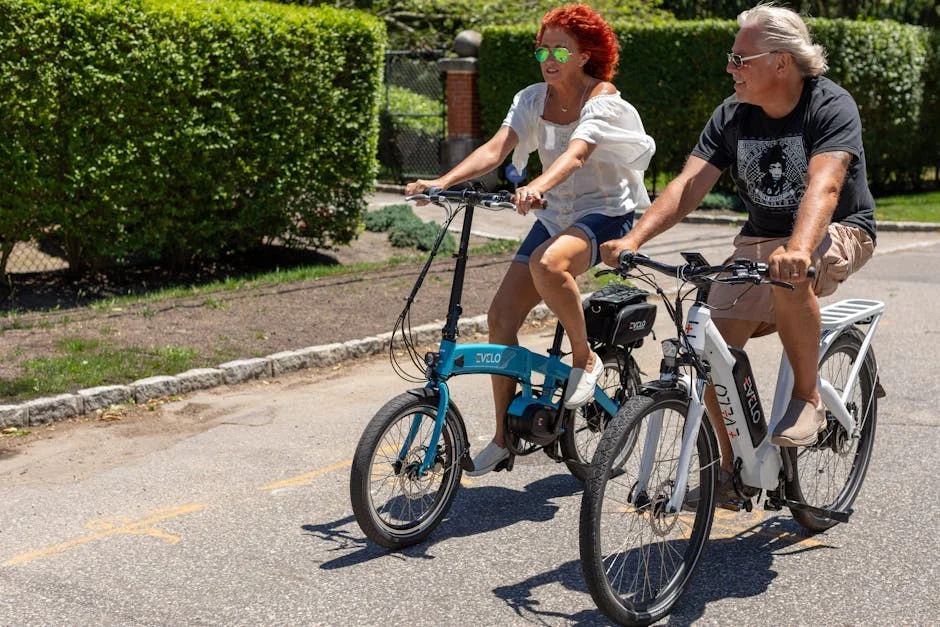
E-bikes have exploded in popularity across the U.S., but the legal landscape is genuinely fragmented. What’s street legal in Colorado may be restricted in California or outright banned on certain trail systems in Utah. Federal baseline definitions exist, but enforcement, trail access, and road use rules vary by state, municipality, and land management agency.
Understanding which e-bikes qualify as street legal starts with the three-class federal framework and then branches into local specifics. This overview breaks down how classification works, what it means in practice, and where some current products on the market fit within those legal boundaries.
The Three-Class Federal Framework
The federal government, through the Consumer Product Safety Commission (CPSC), established a baseline definition for “low-speed electric bicycles” that most states have adopted in some form. A qualifying e-bike must have a motor producing less than 750 watts, fully operable pedals, and a top motor-assisted speed under 20 mph. Within that umbrella, the industry settled on a three-class system that most states now reference directly.
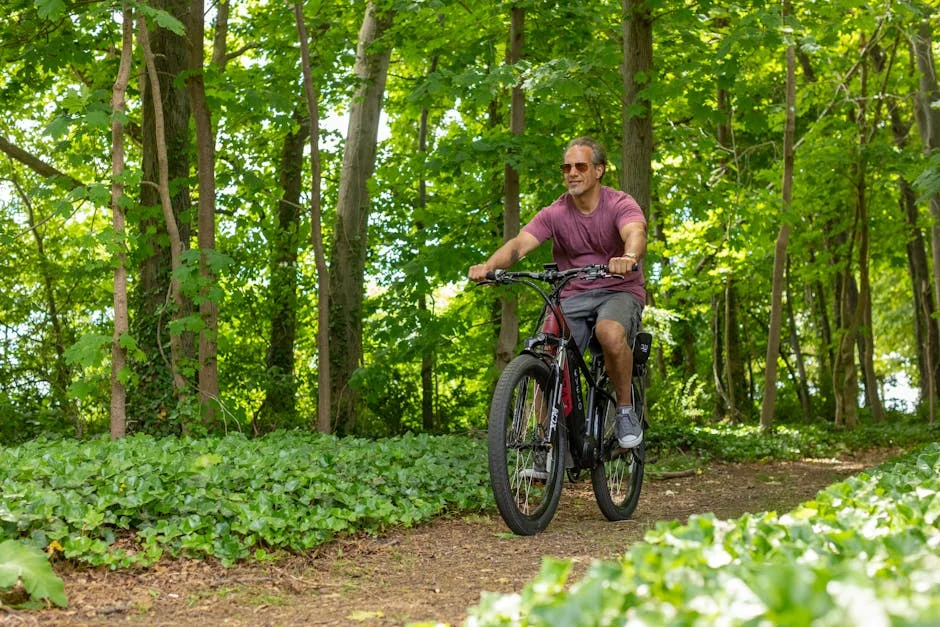
Class 1 e-bikes use a pedal-assist-only motor that cuts out at 20 mph. No throttle. These are the most universally accepted on trails, bike paths, and roads. Class 2 adds a throttle but still caps motor assistance at 20 mph. Class 3 allows pedal assist up to 28 mph, typically requires the rider to be 16 or older, and is often restricted from multi-use paths shared with pedestrians.
For a thorough state-by-state breakdown of what these classes actually mean for where you can ride, the E-Bike Laws & Regulations hub is the right starting point.
What Makes an E-Bike Street Legal
Motor Power and Speed Thresholds
The 750-watt motor limit is the clearest federal line. Below it, a pedal-equipped electric bike generally qualifies for bicycle treatment under most state laws. Above it, the vehicle typically crosses into moped or motorcycle territory, triggering registration, licensing, and insurance requirements that vary significantly by state.
Speed thresholds compound the issue. A 28 mph Class 3 bike stays within legal bicycle classification in most states. A vehicle hitting 37 mph under motor power is not an e-bike under any state framework currently in use. That distinction matters enormously for where you can legally operate it.
Throttle vs. Pedal Assist
Throttle availability is where Class 1 and Class 2 split. Class 1 bikes (pedal assist only) face the fewest restrictions because regulators and land managers treat them most similarly to conventional bicycles. Class 2 bikes with throttles face more scrutiny on trail systems, even when speed limits are identical. Several national forest trail systems in Colorado have adopted Class 1 blanket access while requiring Class 2 bikes to stick to motorized-use designations.
Registration, Licensing, and Age Requirements
Most states with e-bike legislation explicitly exempt qualifying e-bikes from vehicle registration and driver’s license requirements. Class 3 is the exception in some states: helmets are usually mandatory, minimum age requirements exist (commonly 16), and some states require registration. Anything above 750 watts or capable of sustained speeds above 28 mph typically loses those exemptions entirely and must be registered as a motor vehicle.
Where You Can Actually Ride
Street-legal classification covers public roads, but trail access is a completely separate legal question. National park trails largely prohibit all e-bikes. Bureau of Land Management (BLM) trails have been opening to Class 1 and sometimes Class 2 e-bikes on a district-by-district basis. State parks vary widely. Local municipality paths often allow Class 1 and 2, with Class 3 restricted.
Staying current on those rules means checking directly with the managing agency. The legal framework for e-bikes continues to shift at the state and municipal level faster than most riders expect. The electric bike laws resource at /regulatory-and-laws/ tracks those changes and is worth bookmarking if you ride across multiple jurisdictions.
Top Picks
Windone RM7 Electric Dirt Bike
The Windone RM7 Electric Dirt Bike for Teens and Adults sits in a category that requires an honest legal conversation before any purchase decision. The specs are straightforward: a 2200W motor, a 48V 22.5Ah battery pack rated for 45 miles of range, and a claimed top speed of 37 mph. Those numbers place it firmly outside the federal e-bike classification threshold.
At 2200 watts and 37 mph, this is not an e-bike under any U.S. state framework. It functions as an electric motorcycle or moped depending on state-specific definitions, which means registration, insurance, and licensing requirements likely apply. Verified buyers note it performs well as an off-road recreational vehicle on private land or designated off-highway vehicle (OHV) areas, and the 14”/12” off-road tire combination with full suspension and dual hydraulic brakes gives it legitimate trail capability. The 48V 22.5Ah battery is a genuine strength for range on extended OHV sessions.
The legal exposure is the central trade-off. Riders who own private acreage or have access to legal OHV areas will find this a capable machine. Anyone expecting to use it on public roads, shared bike paths, or e-bike-designated trail systems will run into immediate legal problems. The design accommodates teen and adult riders (age 13 and up per manufacturer spec), but that age range widens the liability considerations for parents and guardians who need to verify local regulations before putting a younger rider on it in any semi-public setting.
Check current price on Amazon.
NO E-Bike and Battery Charging Allowed Sign
The NO E-BIKE AND BATTERY CHARGING ALLOWED IN THIS BUILDING SIGN is a different kind of product in this space: a piece of regulatory infrastructure rather than a rideable vehicle. It exists because the legal and safety landscape around e-bike batteries has created real institutional friction. Apartment buildings, co-working spaces, office parks, and transit facilities increasingly prohibit e-bike storage and charging indoors due to lithium battery fire risk, and local fire codes in several major cities now explicitly address this.
The 7x10 inch aluminum construction is rust-free and weather-resistant, making it functional for both indoor lobbies and covered outdoor areas. The compact format fits standard sign mounting hardware without modification. Field reports from facilities management communities note the clear blue-and-white format communicates effectively without ambiguity, which matters in high-traffic entry points.
The limitations are real. The fixed design cannot be customized for facility-specific language, and the single-language English format limits applicability in multilingual buildings. For facilities with diverse tenant populations, pairing it with additional translated signage is worth considering. The underlying policy question, whether to restrict e-bikes at all, is a building management decision that should account for local fire code requirements and insurance policy language before any sign goes up.
Check current price on Amazon.
E-Bike Motivation Sticker, Keep Calm and Pedal On
The E-Bike Motivation Sticker, “Keep Calm and Pedal On” is a budget-tier vinyl decal aimed at e-bike riders and commuters who want low-cost personalization. The weather-resistant vinyl construction is appropriate for outdoor frame and component placement. The format is essentially what it is: a small, durable decal with a familiar motivational phrase adapted for the e-bike rider demographic.
From a legal framing standpoint, it is worth noting that decals like this do not affect a bike’s classification or legal status in any way. The “Pedal On” message does reinforce a pedal-assist framing that aligns culturally with Class 1 and 2 e-bike identity, but that is purely an aesthetic consideration. Buyers report clean adhesion on aluminum, carbon, and powder-coated steel frame surfaces.
The practical caution is the permanence factor. Vinyl decals bond aggressively to most frame surfaces over time, and removal typically risks finish damage without a heat gun and careful technique. For a new or high-value bike, testing adhesion on a less visible surface first is the sensible approach. As an unbranded product, post-purchase support is nonexistent, so the buy decision is essentially final at checkout.
Check current price on Amazon.
Buying Guide: Understanding E-Bike Street Legality Before You Ride
Know Your Motor Wattage First
Motor wattage is the clearest dividing line in U.S. e-bike law. The federal CPSC standard caps e-bike motors at 750 watts (approximately 1 horsepower) for bicycle classification. Below that threshold, most states treat the vehicle as a bicycle for road and path access purposes. Above it, the vehicle typically enters moped or motorcycle classification with all the associated registration and licensing requirements. Peak wattage claims in marketing materials often exceed continuous wattage ratings, so checking the motor’s nominal (continuous) rating is more legally relevant than peak output.
Verify Speed Capability, Not Just Motor Class
Speed thresholds interact with wattage to determine classification. A 750W motor that only assists to 20 mph qualifies as Class 1 or Class 2. A 750W motor that allows 28 mph assistance qualifies as Class 3 in states that recognize that classification. Anything capable of motor-assisted speeds above 28 mph on a regular basis falls outside the e-bike framework in every current U.S. state definition. Buyers comparing spec sheets should prioritize the speed threshold column over the motor wattage claim, since some manufacturers rate wattage conservatively while the speed ceiling is harder to obscure.
Check State Law Before Assuming Access
Federal baseline definitions give manufacturers a framework, but road and trail access is governed at the state level and below. Some states have adopted the three-class framework verbatim. Others have modified it with different speed limits, age requirements, or registration thresholds. A handful of states still lack comprehensive e-bike legislation and default to general motorized vehicle statutes that may restrict even low-speed pedal-assist bikes on certain roads.
The E-Bike Laws & Regulations resource at /regulatory-and-laws/ is organized by jurisdiction and provides current legislative status. Checking it before purchasing for a specific use case (commuting, trail riding, multi-use path access) prevents discovering legal problems after the bike is already in your garage.
Understand the Difference Between Road Legal and Trail Legal
A bike that is street legal under state vehicle code is not automatically legal on every trail system. Trail access is controlled by the managing agency, whether that is a city parks department, a county open space program, BLM, the Forest Service, or the National Park Service. Each has its own framework, often tied loosely to the three-class system but with local modifications.
Class 1 bikes have the broadest trail access across most public land systems. Class 2 bikes with throttles face more restrictions on non-motorized trail designations even when their speed caps are identical to Class 1 bikes. Class 3 bikes are often treated as motorized vehicles on trail systems regardless of road-legal status. Verifying trail-specific access rules through the managing agency website or by contacting the district office directly is the only reliable method before riding a new area.
Age, Helmet, and Equipment Requirements
Class 3 e-bikes trigger mandatory helmet laws in most states that have adopted the three-class framework. Class 1 and 2 bikes follow general bicycle helmet statutes, which often only mandate helmets for riders under 18. Beyond helmets, some states require lighting equipment (front white light, rear red reflector or light) for road use after dark, mirroring requirements for conventional bicycles.
Age restrictions apply primarily to Class 3 bikes, with 16 being the most common minimum. Vehicles that fall into motorcycle or moped classification (anything above 750W or 28 mph threshold) typically require a valid driver’s license regardless of rider age. Parents purchasing high-powered electric off-road bikes for teen riders should verify the classification in their state before assuming bicycle rules apply.
Frequently Asked Questions
What makes an e-bike legally street legal in the United States?
Federal CPSC standards define a street-legal e-bike as a vehicle with fully operable pedals, a motor under 750 watts continuous output, and a maximum motor-assisted speed of 20 mph (or 28 mph for Class 3 in states that recognize it). Most states have adopted this framework and exempt qualifying e-bikes from vehicle registration and driver’s license requirements. Anything exceeding those thresholds typically requires registration, insurance, and a valid license to operate legally on public roads.
Can I ride a 2200W electric bike on the street or bike path?
A 2200W motor places a vehicle well above the 750W federal threshold for e-bike classification. In every current U.S. state framework, that wattage level puts the vehicle in moped or motorcycle territory, requiring registration, insurance, and in most states a driver’s license. Bike paths and e-bike-designated trail systems are almost certainly off-limits. Legal operation is generally limited to private property, OHV areas, or other off-road environments where motor vehicle regulations permit use.
Do e-bike laws differ between states?
Yes, significantly. While the three-class federal framework provides a baseline, states have adopted it with varying modifications to speed limits, age requirements, helmet mandates, and registration thresholds. California, Colorado, and most of the Northeast have adopted the three-class system with some state-specific additions. A few states still lack dedicated e-bike legislation and default to motor vehicle statutes that may treat even low-powered pedal-assist bikes more restrictively than intended.
Are e-bikes allowed on bike paths and trails?
It depends entirely on the managing agency and the bike’s class. Class 1 bikes have the broadest non-motorized trail access across most public land systems. Class 2 and Class 3 bikes face more restrictions and are sometimes classified as motorized vehicles on trail systems even when they are street legal under state vehicle code. National parks largely prohibit all e-bikes on trails.
Do building signs banning e-bikes have legal weight?
Building prohibitions on e-bike storage and charging are generally enforceable as private property policies, similar to any other building rule. In cities where local fire codes specifically address lithium battery storage in multi-unit residential buildings (including New York City and several others), those fire code provisions carry the force of law and can result in formal enforcement action. A posted sign communicates the policy clearly, but the legal authority behind it depends on whether the prohibition is grounded in a lease clause, building policy, or applicable fire code.
<script type="application/ld+json">
{
"@context": "https://schema.org",
"@type": "FAQPage",
"mainEntity": [
{
"@type": "Question",
"name": "What makes an e-bike legally street legal in the United States?",
"acceptedAnswer": {
"@type": "Answer",
"text": "Federal CPSC standards define a street-legal e-bike as a vehicle with fully operable pedals, a motor under 750 watts continuous output, and a maximum motor-assisted speed of 20 mph (or 28 mph for Class 3 in states that recognize it). Most states have adopted this framework and exempt qualifying e-bikes from vehicle registration and driver's license requirements. Anything exceeding those thresholds typically requires registration, insurance, and a valid license to operate legally on public roads."
}
},
{
"@type": "Question",
"name": "Can I ride a 2200W electric bike on the street or bike path?",
"acceptedAnswer": {
"@type": "Answer",
"text": "A 2200W motor places a vehicle well above the 750W federal threshold for e-bike classification. In every current U.S. state framework, that wattage level puts the vehicle in moped or motorcycle territory, requiring registration, insurance, and in most states a driver's license. Bike paths and e-bike-designated trail systems are almost certainly off-limits. Legal operation is generally limited to private property, OHV areas, or other off-road environments where motor vehicle regulations permit use."
}
},
{
"@type": "Question",
"name": "Do e-bike laws differ between states?",
"acceptedAnswer": {
"@type": "Answer",
"text": "Yes, significantly. While the three-class federal framework provides a baseline, states have adopted it with varying modifications to speed limits, age requirements, helmet mandates, and registration thresholds. California, Colorado, and most of the Northeast have adopted the three-class system with some state-specific additions. A few states still lack dedicated e-bike legislation and default to motor vehicle statutes that may treat even low-powered pedal-assist bikes more restrictively than intended."
}
},
{
"@type": "Question",
"name": "Are e-bikes allowed on bike paths and trails?",
"acceptedAnswer": {
"@type": "Answer",
"text": "It depends entirely on the managing agency and the bike's class. Class 1 bikes have the broadest non-motorized trail access across most public land systems. Class 2 and Class 3 bikes face more restrictions and are sometimes classified as motorized vehicles on trail systems even when they are street legal under state vehicle code. National parks largely prohibit all e-bikes on trails. BLM and Forest Service access varies by district, so checking with the specific land manager before riding is always the right approach."
}
},
{
"@type": "Question",
"name": "Do building signs banning e-bikes have legal weight?",
"acceptedAnswer": {
"@type": "Answer",
"text": "Building prohibitions on e-bike storage and charging are generally enforceable as private property policies, similar to any other building rule. In cities where local fire codes specifically address lithium battery storage in multi-unit residential buildings (including New York City and several others), those fire code provisions carry the force of law and can result in formal enforcement action. A posted sign communicates the policy clearly, but the legal authority behind it depends on whether the prohibition is grounded in a lease clause, building policy, or applicable fire code."
}
}
]
}
</script>Where to Buy
Windone RM7 Electric Dirt Bike for Teens & Adults, 48V 22.5Ah, 37MPH & 45-Mile Electric Motorcycle, 2200W Ebike, 14"/12" Off-Road Tire E-Bike, Dual Hydraulic Brakes, Full Suspension, Fit Age 13+See Windone RM7 Electric Dirt Bike for Te… on Amazon