Is Your E-Bike Street Legal? Federal and State Rules

Affiliate disclosure: Some links on this page are affiliate links. If you buy through them we earn a small commission at no extra cost to you. Recommendations are research-driven; we don't claim personal use of every product reviewed. Product prices and availability are accurate as of the date published and are subject to change. Always check Amazon for current pricing before purchasing. Learn more.

Quick Picks
Pack (Pack of 3) Life is Electric E-Bike Sticker 3 inches
Pack of three stickers provides multiple decals for different surfaces
Buy on AmazonUnbranded Electric Bike for Adults,Peak 6000W Dual Motor Ebike, 52V 32AH 30-100 Miles Up to 45 M P H 26" Fat Tire 7 Speed Electric Mountain Bike All Terrain Front Suspension Electric Bicycles
Dual motor 6000W system enables high speed performance up to 45 MPH
Buy on AmazonYVY Adult Electric Bike 1500W-3000W Peak Motor, 30-38MPH Speed, 48V 15.6-40AH Removable Battery, 30-180 Miles Range, UL 2849 Certified, Dual Suspension, 20" Fat Tires E-Bike
High power 1500W-3000W peak motor enables fast acceleration and hill climbing
Buy on Amazon| Product | Price Range | Top Strength | Key Weakness | Buy |
|---|---|---|---|---|
| Pack (Pack of 3) Life is Electric E-Bike Sticker 3 inches also consider | $$ | Pack of three stickers provides multiple decals for different surfaces | Stickers offer no functional benefit beyond decorative purposes | Buy on Amazon |
| Unbranded Electric Bike for Adults,Peak 6000W Dual Motor Ebike, 52V 32AH 30-100 Miles Up to 45 M P H 26" Fat Tire 7 Speed Electric Mountain Bike All Terrain Front Suspension Electric Bicycles also consider | $$ | Dual motor 6000W system enables high speed performance up to 45 MPH | Unbranded product may lack established customer service or warranty support | Buy on Amazon |
| YVY Adult Electric Bike 1500W-3000W Peak Motor, 30-38MPH Speed, 48V 15.6-40AH Removable Battery, 30-180 Miles Range, UL 2849 Certified, Dual Suspension, 20" Fat Tires E-Bike also consider | $$ | High power 1500W-3000W peak motor enables fast acceleration and hill climbing | High-powered electric bikes face legal restrictions in many jurisdictions | Buy on Amazon |
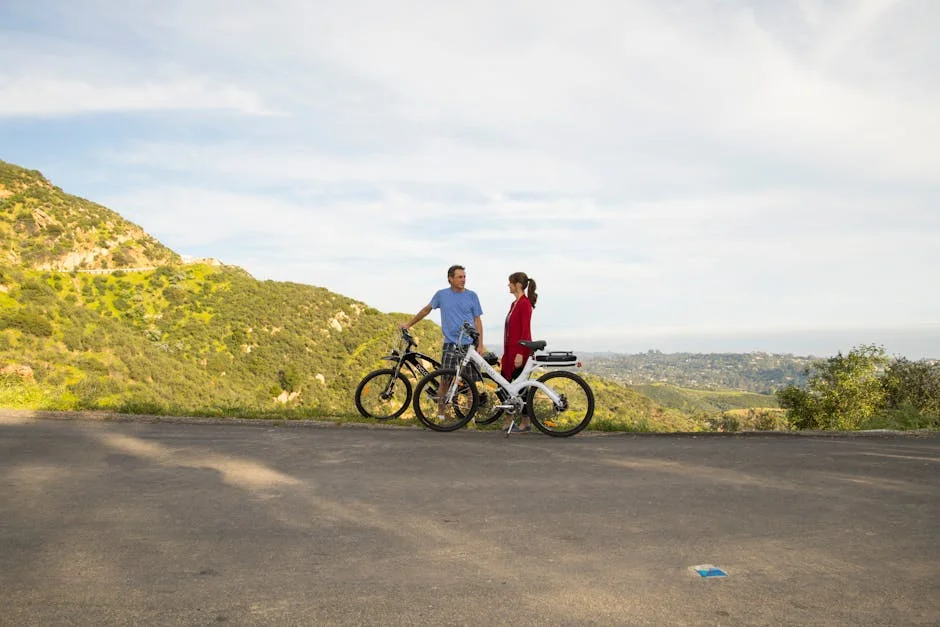
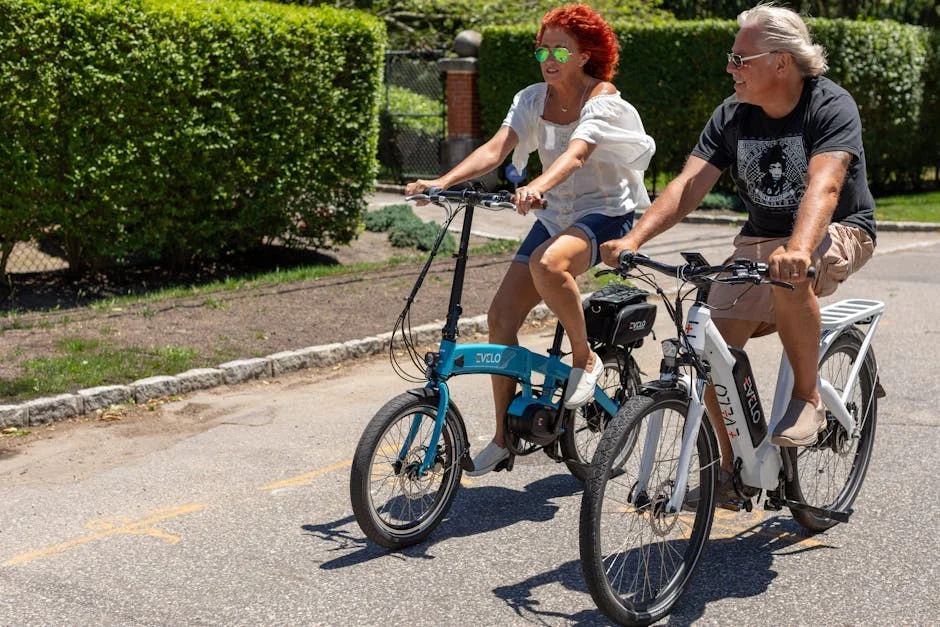
Electric bikes are showing up everywhere: road shoulders, bike paths, singletrack approaches, and dirt roads that blur the line between cycling and motorized transport. That range creates real legal complexity, because whether your e-bike is street legal depends entirely on how it’s classified under federal and state rules.
Understanding those classifications before you buy (or before you modify what you already own) can save you a registration headache, a trail access dispute, or a traffic stop you weren’t expecting.

What “Street Legal” Actually Means for E-Bikes
The phrase “street legal” sounds straightforward, but for electric bikes it carries a stack of overlapping definitions. Federal law sets a baseline. State laws expand or tighten it. Local ordinances layer on top of that. Knowing which layer applies to your riding situation is the first step, and the full picture lives in the E-Bike Laws & Regulations resource hub if you want to go deeper than this overview.
Federal Classification: The Three-Class System
The Consumer Product Safety Commission defines a “low-speed electric bicycle” as a two- or three-wheeled vehicle with fully operable pedals, a motor under 750W (approximately 1 horsepower), and a top motor-assisted speed of 20 MPH on a flat surface under motor power alone. Bikes meeting that standard are not motor vehicles under federal law. They don’t require registration, a license plate, or a driver’s license at the federal level.
Most states have adopted a three-class framework built on that foundation:
Class 1: Pedal-assist only, no throttle, motor cuts out at 20 MPH. Widest trail and path access of the three classes.
Class 2: Throttle-assisted, motor cuts out at 20 MPH. Generally street legal on roads and many multi-use paths, but often restricted from natural-surface trails.
Class 3: Pedal-assist only, motor cuts out at 28 MPH. Street legal in most states on roads and standard bike lanes, but frequently prohibited on shared-use paths and off-road trails. Some states require riders to be 16 or older and may require a helmet regardless of age.
Where It Gets Complicated
Any e-bike that exceeds the federal thresholds (750W motor, 20 MPH motor-only speed) exits the “low-speed electric bicycle” definition and enters moped, motorcycle, or motor vehicle territory depending on its output. That means registration, insurance, a valid license, and often a helmet law regardless of local cycling rules.
Many bikes marketed to consumers with 1,000W, 1,500W, or higher motor ratings are not street legal as bicycles under federal or most state definitions. That doesn’t make them illegal to own, but it does make them illegal to ride on public roads, bike paths, or trails where the e-bike classification is what grants access.
How Motor Output and Speed Ratings Affect Street Legality
Motor wattage numbers in product listings can be misleading. Manufacturers frequently list peak wattage (the maximum output under full load for a short burst) rather than continuous rated wattage. A motor rated “1,500W peak” might operate continuously at 750W and potentially qualify under federal rules depending on how the controller is programmed and how the state reads the spec. Other motors rated “6,000W peak” are clearly outside any reasonable interpretation of the federal definition.
Speed matters as much as wattage. If a bike’s motor can propel it past 28 MPH under motor power, it doesn’t qualify as any class of e-bike in the three-class system. At that point, street legality requires compliance with moped or motorcycle regulations, which vary significantly by state.
Cold-morning performance is worth noting here too. Lithium battery output drops noticeably at temperatures below 40°F, which affects actual peak speed and power in practice. But regulators don’t grade on a curve for weather, and a bike’s legal classification is based on its design specs, not its cold-weather behavior.
Top Picks
The three products below represent a range of motor configurations and speed capabilities. Each one lands in a different position relative to street legality thresholds, and that positioning matters as much as the performance specs.
Electric Bike for Adults Peak 6000W Dual Motor Ebike
The Electric Bike for Adults, Peak 6000W Dual Motor Ebike is an unbranded 26-inch fat-tire machine with a dual-motor setup rated at 6,000W peak, a 52V 32Ah battery, and a claimed top speed of 45 MPH. The 7-speed drivetrain and front suspension suggest a build aimed at aggressive off-road or utility use rather than casual path riding.
To be direct about where this bike sits legally: a 45 MPH capable, 6,000W peak dual-motor platform is not a bicycle under any current federal or state e-bike classification. At those specs, it’s a motor vehicle. Riding it on public roads in most states without registration, insurance, and an appropriate license would be a violation. It’s also categorically excluded from bike paths, multi-use trails, and any access point that references the three-class e-bike framework.
That said, there are legal contexts for this kind of platform: private property, off-road parks that permit motorized vehicles, or closed-course use. Buyer reports note the range (claimed 30 to 100 miles depending on mode and terrain) and the fat-tire stability on loose surfaces. The unbranded sourcing does raise legitimate questions about warranty support and parts availability down the road. If you’re buying for a legal-use context, verify that clearly before purchasing.
Check current price on Amazon.
YVY Adult Electric Bike 1500W-3000W Peak Motor
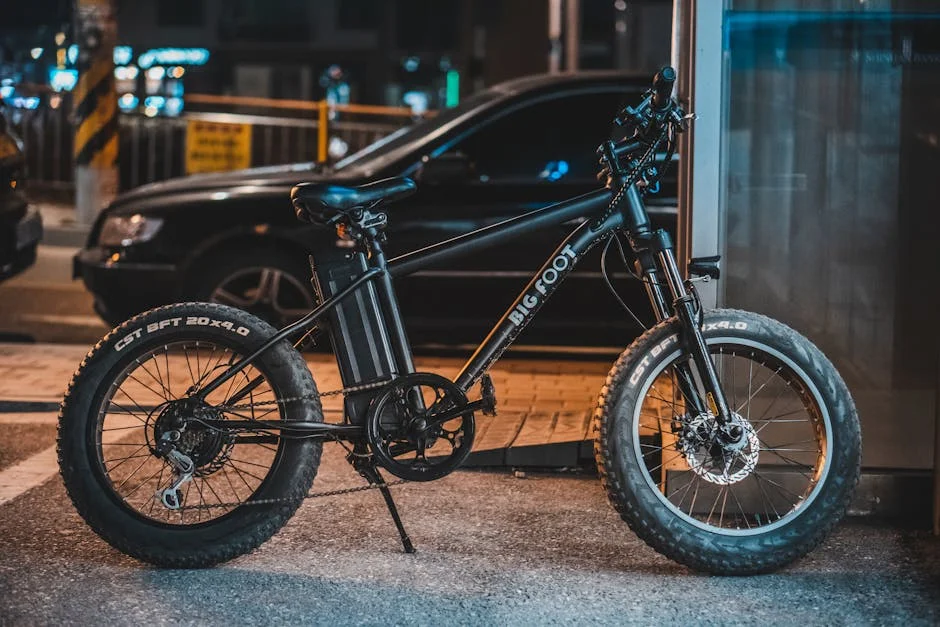
The YVY Adult Electric Bike runs a 1,500W to 3,000W peak motor on a dual-suspension 20-inch fat-tire frame, with a removable 48V battery available in multiple capacity configurations and a claimed range ceiling of 180 miles in lower assist modes. The UL 2849 certification is a meaningful detail: that standard covers electrical system safety for e-bikes, and verified buyers note it as a positive signal on build quality and fire risk.
The speed rating (30 to 38 MPH) pushes this bike above the 28 MPH Class 3 ceiling. Like the dual-motor platform above, this is not a street-legal bicycle under the three-class framework in its full configuration. Whether the motor can be restricted via controller settings to fall within Class 2 or Class 3 limits is a question worth asking the seller directly. Some higher-powered e-bikes ship with adjustable speed limits that can be set to compliant levels, which changes the legal picture considerably.
The removable battery is a genuinely practical feature for riders who need to charge in locations without outdoor outlets, which covers a lot of apartment and urban parking situations. Field reports from the e-bike community cite the range claims as optimistic at higher speeds but credible in eco modes on flat terrain.
Check current price on Amazon.
(Pack of 3) Life is Electric E-Bike Sticker 3 Inches
The (Pack of 3) Life is Electric E-Bike Sticker is a three-pack of 3-inch vinyl decals with an electric bicycle theme. Each sticker is sized to work on helmets, frames, water bottles, laptops, or cargo bags. The pack format means you get multiple placements without buying separately.
These are decorative products, full stop. There’s no functional claim to evaluate here beyond adhesive quality and weather resistance, and the listing doesn’t specify either. Verified buyers note the print quality is clean and the size works well for helmet placement. For riders who want to signal community membership or just like the aesthetic, the pack-of-three format offers flexibility.
Worth noting: some riders use stickers to mark class-specific information on their bikes as a quick reference for trail hosts or rangers who check access compliance. A custom label with class and wattage info isn’t a legal document, but it can start a productive conversation. This sticker is themed rather than informational, so it doesn’t serve that function.
Check current price on Amazon.
Buying Guide: Choosing an E-Bike Within Legal Parameters
Start With Your Intended Use Case
Before evaluating any spec sheet, identify where you plan to ride. Public roads and bike lanes in most states accept Class 1, 2, and 3 e-bikes without registration. Multi-use paths often restrict Class 3 and above. Natural-surface trails managed by the Forest Service or BLM operate under separate access frameworks, and many permit only non-motorized or Class 1 access. If your routes span multiple surface types, the most restrictive rule governs what’s actually usable.
Motor Rating: Continuous vs. Peak
The wattage number on a product listing is almost always peak output, not continuous rated power. Continuous rating is what matters for legal classification. A motor listed as “3,000W peak” may have a continuous rating of 750W or lower, potentially keeping it within federal thresholds. The problem is that many listings don’t disclose continuous ratings, and the controller programming determines real-world behavior. Asking the seller for the continuous watt rating and the programmed speed cutoff before buying is worth the friction.
Speed Limiters and Programmable Controllers
Many higher-powered e-bikes ship with adjustable controller settings that allow the maximum speed to be capped at Class 2 or Class 3 legal limits. If a bike is otherwise well-specced but carries a peak speed above 28 MPH, check whether the controller is user-programmable or locked at the factory setting. A locked 45 MPH top speed with no adjustment option means the bike cannot be made street-legal as a bicycle, regardless of other specs.
The Class 3 Gray Zone
Class 3 is the most misunderstood category in the three-class framework. In most states, Class 3 bikes are fully street legal on roads and standard bike lanes, but they’re excluded from multi-use paths (the paved shared paths that connect parks and neighborhoods). That’s a real operational difference for urban riders. For a detailed breakdown of how Class 3 rules apply state by state, the e-bike regulatory framework covers the current legislative landscape.
Certification and Build Standards
UL 2849 certification covers electrical system safety and is increasingly referenced by insurers, building managers (for indoor charging), and trail managers evaluating access policy. It’s not a legal requirement for street use in most states, but it’s a credible signal that the electrical architecture passed independent testing. For unbranded or gray-market products with aggressive power specs, the absence of any third-party certification is a relevant risk factor for both safety and resale value.
Frequently Asked Questions
What makes an e-bike street legal in the United States?
Under federal law, a street-legal electric bicycle must have fully functional pedals, a motor rated at 750W or less, and a top motor-assisted speed of 20 MPH or below on flat ground. Most states have layered a three-class system on top of that baseline, with Class 3 allowing up to 28 MPH pedal-assist. Bikes exceeding those thresholds are classified as mopeds or motorcycles and require registration, insurance, and a valid license.
Are high-wattage e-bikes like 3,000W or 6,000W models legal to ride on public roads?
In most U.S. states, no. A 3,000W or 6,000W peak motor rating places a bike outside the federal low-speed electric bicycle definition, which caps continuous motor output at approximately 750W. Those platforms are classified as motor vehicles and require compliance with moped or motorcycle regulations to operate legally on public roads. Some buyers use them on private property or closed off-road courses where motor vehicle rules don’t apply.
Can I ride a Class 3 e-bike on bike paths and multi-use trails?
Class 3 is generally permitted on public roads and standard bike lanes but excluded from many shared-use paths and natural-surface trails. The specific rules depend on the jurisdiction managing the path or trail. National Forest and BLM trail access frameworks often allow only non-motorized or Class 1 e-bikes, while city-managed paths vary widely. Checking with the land manager before riding is the reliable approach rather than assuming Class 3 qualifies everywhere Class 1 does.
Does a speed limiter make an otherwise high-powered e-bike street legal?
It depends on whether the limiter is factory-locked and set to a compliant speed, and whether the motor’s continuous power output also falls within legal thresholds. A programmable controller capped at 20 MPH may bring a bike into Class 2 compliance if the wattage also qualifies. However, if the cap can be easily removed by the user or the continuous wattage still exceeds 750W, regulators and law enforcement may not treat it as a compliant bicycle. Verify the controller configuration and wattage spec in writing before relying on this approach.
Do e-bike stickers or decals have any legal relevance?
Decorative stickers have no legal standing and don’t change a bike’s classification under federal or state law. Some riders use custom labels to display class and wattage information as a quick reference for trail rangers or access checkpoints, but those are informational tools rather than legal documents. What matters to enforcement is the bike’s actual motor output, speed capability, and whether it matches the definition used by the governing jurisdiction.

<script type="application/ld+json">
{
"@context": "https://schema.org",
"@type": "FAQPage",
"mainEntity": [
{
"@type": "Question",
"name": "What makes an e-bike street legal in the United States?",
"acceptedAnswer": {
"@type": "Answer",
"text": "Under federal law, a street-legal electric bicycle must have fully functional pedals, a motor rated at 750W or less, and a top motor-assisted speed of 20 MPH or below on flat ground. Most states have layered a three-class system on top of that baseline, with Class 3 allowing up to 28 MPH pedal-assist. Bikes exceeding those thresholds are classified as mopeds or motorcycles and require registration, insurance, and a valid license."
}
},
{
"@type": "Question",
"name": "Are high-wattage e-bikes like 3,000W or 6,000W models legal to ride on public roads?",
"acceptedAnswer": {
"@type": "Answer",
"text": "In most U.S. states, no. A 3,000W or 6,000W peak motor rating places a bike outside the federal low-speed electric bicycle definition, which caps continuous motor output at approximately 750W. Those platforms are classified as motor vehicles and require compliance with moped or motorcycle regulations to operate legally on public roads. Some buyers use them on private property or closed off-road courses where motor vehicle rules don't apply."
}
},
{
"@type": "Question",
"name": "Can I ride a Class 3 e-bike on bike paths and multi-use trails?",
"acceptedAnswer": {
"@type": "Answer",
"text": "Class 3 is generally permitted on public roads and standard bike lanes but excluded from many shared-use paths and natural-surface trails. The specific rules depend on the jurisdiction managing the path or trail. National Forest and BLM trail access frameworks often allow only non-motorized or Class 1 e-bikes, while city-managed paths vary widely. Checking with the land manager before riding is the reliable approach rather than assuming Class 3 qualifies everywhere Class 1 does."
}
},
{
"@type": "Question",
"name": "Does a speed limiter make an otherwise high-powered e-bike street legal?",
"acceptedAnswer": {
"@type": "Answer",
"text": "It depends on whether the limiter is factory-locked and set to a compliant speed, and whether the motor's continuous power output also falls within legal thresholds. A programmable controller capped at 20 MPH may bring a bike into Class 2 compliance if the wattage also qualifies. However, if the cap can be easily removed by the user or the continuous wattage still exceeds 750W, regulators and law enforcement may not treat it as a compliant bicycle. Verify the controller configuration and wattage spec in writing before relying on this approach."
}
},
{
"@type": "Question",
"name": "Do e-bike stickers or decals have any legal relevance?",
"acceptedAnswer": {
"@type": "Answer",
"text": "Decorative stickers have no legal standing and don't change a bike's classification under federal or state law. Some riders use custom labels to display class and wattage information as a quick reference for trail rangers or access checkpoints, but those are informational tools rather than legal documents. What matters to enforcement is the bike's actual motor output, speed capability, and whether it matches the definition used by the governing jurisdiction."
}
}
]
}
</script>Where to Buy
Pack (Pack of 3) Life is Electric E-Bike Sticker 3 inchesSee (Pack of 3) Life is Electric E-Bike S… on Amazon