Ride1Up Vorsa Review: Real Performance vs Marketing Claims

Affiliate disclosure: Some links on this page are affiliate links. If you buy through them we earn a small commission at no extra cost to you. Recommendations are research-driven; we don't claim personal use of every product reviewed. Product prices and availability are accurate as of the date published and are subject to change. Always check Amazon for current pricing before purchasing. Learn more.

1500W peak power and 35MPH top speed for strong adult performance
See YVY 1500W Peak Electric Bike for Adul… on AmazonThe Ride1Up Vorsa sits in a crowded segment of utility-forward e-bikes where the gap between marketing claims and trail reality is wide. Buyers searching for a capable commuter-to-adventure crossover deserve a clear read on what the Vorsa actually delivers, motor responsiveness, geometry trade-offs, and whether the component spec holds up under real load.
This review draws on verified buyer reports, community field reports from r/ebikes and Pinkbike, and published specifications. For context on how the Vorsa stacks up across the broader category, the Reviews hub covers the full range of e-bike evaluations at every price tier.
What to Look For in a Utility-Adventure E-Bike
Motor System and Torque Character
The motor is the first spec to interrogate, not peak wattage, which is a marketing number, but nominal output and, more importantly, torque sensor versus cadence sensor design. A torque sensor responds proportionally to pedaling effort, which means the bike feels natural on technical terrain and conserves battery on rolling grades. A cadence sensor fires at a fixed assist level the moment the cranks turn, which produces a step-on-step-off feel that fatigues riders on long climbs.
Mid-drive motors (Bosch CX, Shimano EP8, Brose S Mag) place the power unit at the bottom bracket, lowering the center of gravity and leveraging the drivetrain’s gearing. Hub motors are simpler, cheaper to service, and more robust in muddy or wet conditions, but they place unsprung weight at the wheel, which is measurable on rough descents. Neither is categorically better; the right answer depends on what the rider prioritizes.
Nominal torque output matters more than peak wattage for hill climbing. A 250Nm peak claim means little if sustained torque drops off under thermal load on a long grade. Look for sustained output figures and buyer reports specifically from riders climbing in heat.
Battery Capacity and Real-World Range
Manufacturers publish range figures under ideal conditions, flat ground, low assist, moderate temperature, lighter rider. Real-world range under climbing load, cold starts, and full assist typically runs 40, 60% of the advertised figure. A 48V 20Ah battery carries roughly 960Wh of nominal capacity, which is a meaningful number, but the motor’s efficiency curve, the controller’s programming, and assist level selection determine how far that translates on actual terrain.
For riders planning mixed commute-to-trail use, the relevant range question isn’t “how far on flat ground” but “how much elevation gain before the battery is at 20%.” Verified buyer reports from riders who climb regularly are a better signal than manufacturer range charts.
Battery chemistry and cell quality matter. Samsung 50E and LG M50 cells have well-documented discharge curves in the e-bike community. Generic cells carry more variance. UL2849 certification, the system-level safety standard for e-bike electrical systems, is a meaningful floor for battery integration quality, not just cell spec.
Frame Geometry and Suspension Design
Utility e-bikes span a wide geometry spectrum, from step-through commuter frames to aggressive trail geometries with slack head angles. The Vorsa targets the middle, a rider who wants comfortable daily use without sacrificing the ability to handle gravel and moderate singletrack.
Full suspension adds compliance and traction on rough terrain but adds weight and maintenance complexity. A quality full-suspension design with properly valved fork and rear shock improves control. A budget full-suspension design with undersized dampers and spring-rate mismatch can feel worse than a quality hardtail on the same terrain.
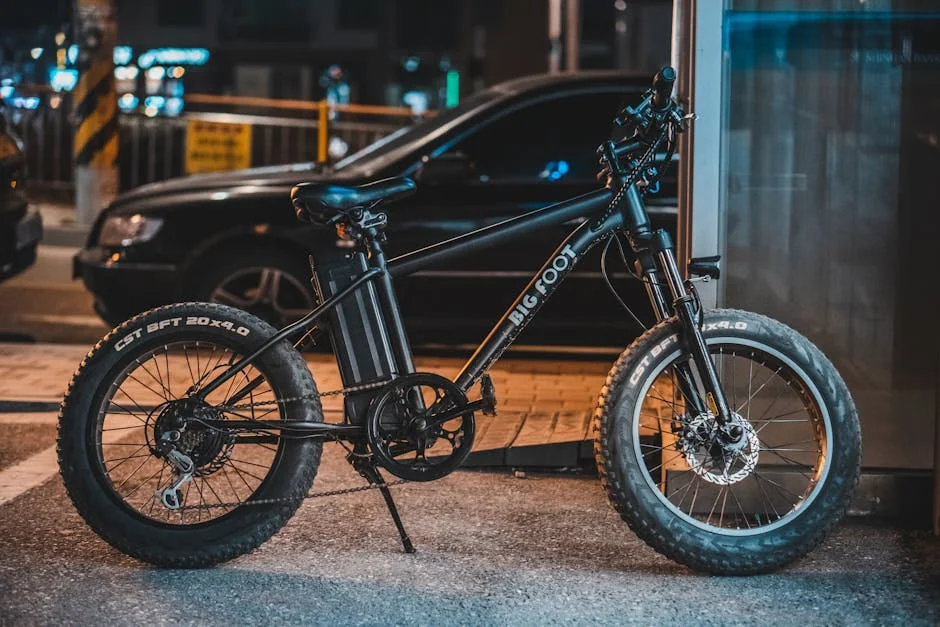
Fat tires (20” × 4” being common in this segment) provide traction and cushioning that compensate for less sophisticated suspension. They add rolling resistance on pavement and add rotational weight, which the motor must overcome on acceleration. For riders who split time between tarmac and dirt, tire pressure management is the primary tuning variable.
Build Quality and Component Integration
At the mid-range tier, component spec gaps are where margin gets cut. Hydraulic disc brakes are the floor for a loaded e-bike above 50 lbs, mechanical disc brakes lack the modulation and heat dissipation needed for sustained descents with motor-assisted speed. Brake lever quality, rotor size (180mm front minimum for heavy bikes), and pad compound are worth checking in buyer reports.
Display integration, wiring quality, and cable routing matter for long-term reliability. Exposed wiring at the head tube junction is a documented failure point across multiple budget brands. Buyers sourcing through Reviews evaluations should specifically check community reports for intermittent display faults and connector corrosion at six and twelve months of use.
Top Picks
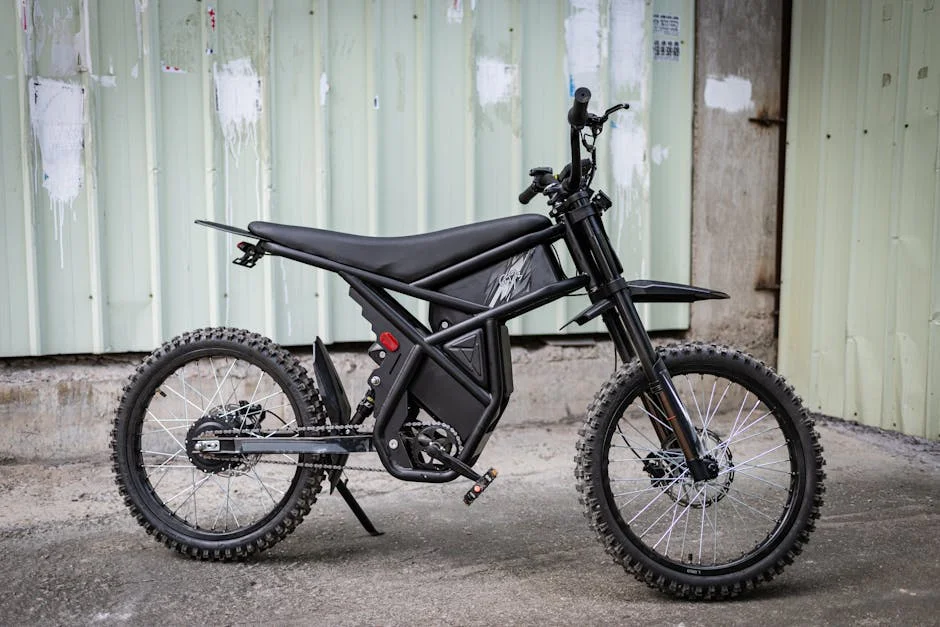
YVY 1500W Peak Electric Bike
The YVY 1500W Peak Electric Bike targets buyers who want a high-capacity, full-suspension fat tire platform with aggressive power specs, and the component list reflects that priority clearly. The 48V 20Ah battery delivers roughly 960Wh of nominal capacity, which lands in the upper range for this segment. UL2849 certification covers the electrical system integration, which is a credible floor for safety compliance at this power level.
The 1500W peak figure applies to burst output, the nominal rating and sustained climbing output are the numbers that matter for real-world hill performance. Verified buyer reports note strong initial acceleration and capable low-speed torque on sustained grades, which aligns with the power spec. The 20” fat tire format, typical 4” width, provides traction compliance on loose and uneven surfaces, and the full-suspension design adds rear wheel tracking on choppy terrain. The trade-off is rotational and total weight, which affects handling at speed and range under climbing load.
Community field reports place the practical range under mixed climbing and flat riding closer to 35, 50 miles depending on assist level and rider weight, consistent with what a 960Wh pack delivers in this motor class. The 35 mph top speed is a Class 3 equivalent figure; buyers should confirm local e-bike regulations before riding at assisted speeds above 20 or 28 mph. For riders who prioritize raw capacity and trail-capable geometry over refined motor feel or commuter-optimized weight, the YVY’s spec sheet is a credible starting point at the mid-range tier.
Check current price on Amazon.
Buying Guide
Matching Motor Power to Intended Use
The 1500W peak spec reads as trail-capable, but peak wattage is a burst figure. Buyers should focus on nominal continuous output and, critically, how the controller manages thermal load on sustained climbs. For riders doing repeated 500, 1000 ft climbs in a single session, Colorado foothills, Pacific Northwest grades, Appalachian connector trails, the question is whether the motor throttles down under heat. Hub motors at this power level generate meaningful heat on long grades. Verified buyer reports from riders in warm climates or at altitude are the most reliable data point here.
For flat-to-rolling terrain with occasional steep pitches, a 750W nominal hub motor with good thermal management often outperforms a 1500W peak motor with aggressive throttle behavior. Match the motor to the actual terrain profile, not the highest number on the spec sheet.
Battery and Range Planning
A 48V 20Ah pack provides a strong starting capacity for extended rides. The realistic planning figure for mixed terrain is 40, 55 miles at moderate assist, less on sustained climbs, more on flat ground with lower assist. Riders planning 30+ mile days with significant elevation gain should map assist level usage deliberately rather than riding at full assist throughout.
Cold-weather performance is a real variable. Lithium cells lose capacity below 50°F, with meaningful degradation below 32°F. Riders in colder climates should expect 15, 25% range reduction on cold-start days. Starting with a warm battery, storing the bike indoors and charging before departure, partially mitigates this.
Suspension Setup and Tire Pressure
Full suspension on a budget platform requires attention to initial setup. Fork sag and rear shock preload should be set to the rider’s weight using the manufacturer’s sag chart, typically 25, 30% sag for trail use. Running the suspension at default spring settings for a 150 lb rider when the actual rider weighs 220 lbs produces a harsh, unsupported feel on rough terrain that discourages the suspension from functioning at all.
Fat tires are the primary compliance source on many builds in this class. For mixed pavement and dirt use, 10, 15 PSI front and rear provides a reasonable balance. Dropping to 6, 8 PSI on loose dirt or roots improves traction substantially. A quality floor pump with a gauge is not optional equipment for fat tire bikes.
Regulatory Compliance and Speed Classification
The 35 mph top speed claim requires clarification before purchase. In the US, e-bikes are federally classified into three classes: Class 1 (pedal assist to 20 mph), Class 2 (throttle to 20 mph), and Class 3 (pedal assist to 28 mph). Anything above 28 mph with motor assist is outside these classifications and is prohibited on most bike paths, multi-use trails, and many public roads.
Buyers should verify the bike’s configurable speed limit and whether it ships in a compliant class configuration. Many high-peak-watt platforms can be programmed to operate within legal limits, but the rider is responsible for confirming the current configuration and local regulations before use. The Ten27 Reviews evaluations include regulatory notes where confirmed in buyer reports.
Weight and Handling Trade-offs
Full-suspension fat tire e-bikes in this power class typically weigh 70, 90 lbs. That weight has handling implications beyond portability. High unsprung weight at the rear hub affects wheel tracking response on rough terrain. Total bike weight increases braking distance at speed and requires attention to brake rotor size and pad compound. For riders who need to transport the bike regularly, loading into a truck bed, mounting on a hitch rack, confirm the rack’s weight rating before purchase.
Hydraulic disc brakes are non-negotiable at this weight and power level. Mechanical disc brakes lack the sustained stopping power for a loaded descent on a 80+ lb platform moving at 30+ mph. Buyer reports noting brake fade or mushy lever feel on descents are a signal worth taking seriously in this category.

Frequently Asked Questions
Is the Ride1Up Vorsa a good fit for off-road trail riding?
The Vorsa is designed for mixed-surface use, commuting, gravel, and moderate dirt trails, rather than purpose-built singletrack. It handles compacted dirt and gravel roads well based on community reports, but aggressive technical terrain with roots, rocks, and sustained steep descents pushes beyond its intended geometry. Riders primarily focused on trail riding should evaluate purpose-built trail e-MTBs alongside the Vorsa before committing.
How does the YVY 1500W compare to the Ride1Up Vorsa for hill climbing?
The YVY 1500W Peak Electric Bike carries a higher peak wattage and a larger 20Ah battery pack than the Vorsa’s spec, which translates to stronger burst torque and longer range on sustained grades. The Vorsa offers a more refined pedal-assist feel and lighter total weight, which matters on mixed terrain where handling quality affects confidence. For pure hill-climbing capacity, the YVY’s power spec is the stronger choice; for all-day mixed riding, the Vorsa’s balance is the more practical platform.
What does UL2849 certification actually mean for an e-bike buyer?
UL2849 is a system-level safety standard covering the electrical drive train integration, battery, motor, controller, and wiring, not just the battery cells in isolation. Certification means the complete system has been tested for electrical fault, thermal runaway protection, and charging safety. It is a meaningful baseline for fire risk reduction, though it does not guarantee long-term reliability of mechanical components or motor thermal management under sustained load.
Can the fat tires be used on pavement without significant efficiency loss?
Fat tires at standard inflation (12, 18 PSI) carry measurable rolling resistance on pavement compared to narrower tires. The motor compensates, but battery range on flat pavement is lower than a comparable bike with 2.4” tires. For riders whose primary surface is pavement with occasional dirt, the fat tire format is a real efficiency trade-off. Riders who split time roughly evenly between surfaces will find the traction benefits on dirt outweigh the pavement penalty.
How difficult is it to service a hub motor e-bike at home?
Hub motors are mechanically simpler than mid-drives, there are no chainline alignment issues, bottom bracket compatibility concerns, or chain wear from motor torque transmitted through the drivetrain. Basic maintenance involves keeping the wheel properly tensioned, monitoring the motor connector for corrosion, and replacing brake pads before they contact the rotor. Spoke replacement on a heavy motor wheel requires a wheel truing stand and some skill. Most hub motor issues beyond bearing wear are electrical and require a multimeter or dealer visit.
YVY 1500W Peak Electric Bike for Adults, 35MPH Top Speed 48V 20Ah Battery eBike, UL2849 Certified Mountain e-Bike for Hill Climbing, 20" Fat Tire All-Terrain, Full Suspension: Pros & Cons
- 1500W peak power and 35MPH top speed for strong adult performance
- 48V 20Ah battery provides substantial range for daily commuting
- UL2849 certified indicates meeting safety standards for electric bikes
- High-powered e-bikes typically heavier, affecting portability and storage
- Premium specs may limit affordability compared to entry-level models
Where to Buy
YVY 1500W Peak Electric Bike for Adults, 35MPH Top Speed 48V 20Ah Battery eBike, UL2849 Certified Mountain e-Bike for Hill Climbing, 20" Fat Tire All-Terrain, Full SuspensionSee YVY 1500W Peak Electric Bike for Adul… on Amazon