Dual Motor Electric Bikes Buyer Guide: Performance & Setup

Affiliate disclosure: Some links on this page are affiliate links. If you buy through them we earn a small commission at no extra cost to you. Recommendations are research-driven; we don't claim personal use of every product reviewed. Product prices and availability are accurate as of the date published and are subject to change. Always check Amazon for current pricing before purchasing. Learn more.
Quick Picks
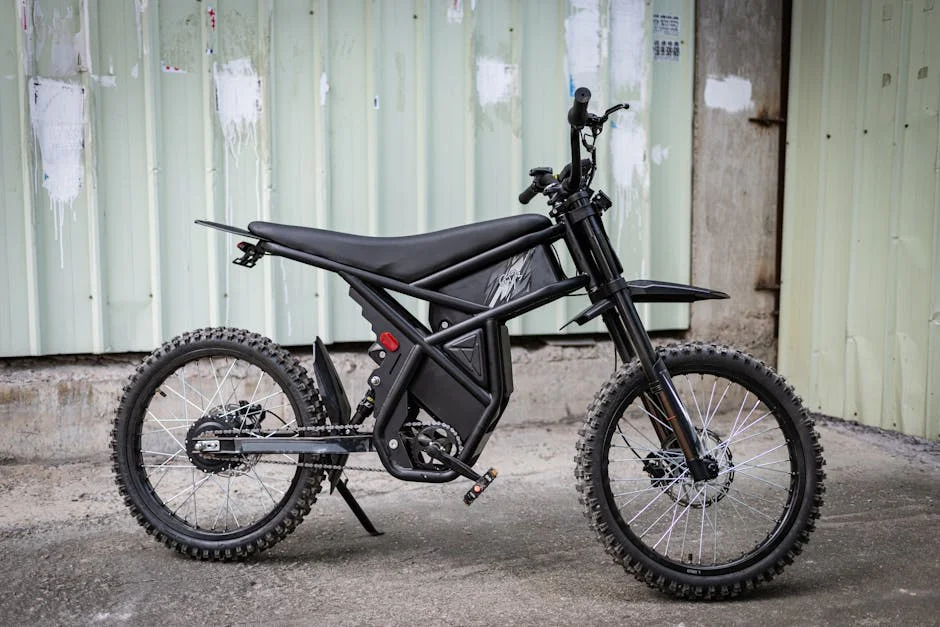
Unbranded Peak 6000W Dual Motor Electric Bike,60V 1200Wh Removable Battery & 110Nm Torque,Fast Ebike for Adults,Max 45MPH & 100-Mile Range,24" Fat Tire Electric Bicycle for Snow Commuter Riding E-Bikes
Dual motor design with 110Nm torque enables powerful acceleration and hill climbing
Buy on AmazonUnbranded 5000w Dual Motor E-Bike 60V Electric Bike for Adults,45 MiIe P-Hour Full Suspension Hydraulic Disc Brakes EBike,26/24x4 Fat Tires Mountain Bikes for All Terrain Snow/Sand
Dual motor configuration provides high power output of 5000W
Buy on AmazonKunray Electric Brushless DC Motor 72V 5000W Electric Dirt Bike Motor Peak 6800rpm Peak 10KW for Go Kart Razor Upgrade Kit Motorcycle and More (Upgraded Brushless DC Motor, 72V 5000W)
Brushless DC motor technology offers efficiency and low maintenance
Buy on Amazon| Product | Price Range | Top Strength | Key Weakness | Buy |
|---|---|---|---|---|
| Unbranded Peak 6000W Dual Motor Electric Bike,60V 1200Wh Removable Battery & 110Nm Torque,Fast Ebike for Adults,Max 45MPH & 100-Mile Range,24" Fat Tire Electric Bicycle for Snow Commuter Riding E-Bikes best overall | $$ | Dual motor design with 110Nm torque enables powerful acceleration and hill climbing | Unbranded product may lack established warranty support or customer service infrastructure | Buy on Amazon |
| Unbranded 5000w Dual Motor E-Bike 60V Electric Bike for Adults,45 MiIe P-Hour Full Suspension Hydraulic Disc Brakes EBike,26/24x4 Fat Tires Mountain Bikes for All Terrain Snow/Sand also consider | $$ | Dual motor configuration provides high power output of 5000W | Unbranded product may lack established warranty or customer support | Buy on Amazon |
| Kunray Electric Brushless DC Motor 72V 5000W Electric Dirt Bike Motor Peak 6800rpm Peak 10KW for Go Kart Razor Upgrade Kit Motorcycle and More (Upgraded Brushless DC Motor, 72V 5000W) also consider | $$ | Brushless DC motor technology offers efficiency and low maintenance | High-power motor requires compatible battery and controller systems | Buy on Amazon |
Dual motor electric bikes sit at the far end of the e-bike performance spectrum, two motors, combined outputs measured in kilowatts, and torque figures that demand serious frame engineering to use effectively. If you’re evaluating this category on Motors & Drivetrain, the core question isn’t whether these bikes are powerful enough. It’s whether the specific configuration matches your terrain, use case, and mechanical comfort level.
What separates a well-executed dual motor setup from a spec-sheet disappointment is component integration. Raw wattage numbers are the least useful comparison point. Battery capacity under sustained climbing load, motor coordination logic, and brake system spec all determine real-world performance more than peak output claims.
What to Look For in a Dual Motor Electric Bike
Motor Configuration and Combined Output
Dual motor setups typically place one motor at the front hub and one at the rear, though some configurations use twin rear motors on split-axle fat-tire designs. Front-plus-rear is the more common arrangement for off-road use because it delivers genuine all-wheel-drive traction on loose terrain, wet roots, sand, snow, steep gravel.
Combined output figures in this category run from roughly 3,000W to 6,000W peak. Continuous output ratings matter more than peak figures for sustained climbing. A motor rated at 6,000W peak may deliver only 2,500W, 3,000W continuous, and that gap defines how the bike behaves on a long climb versus a short burst.
Verify whether the advertised wattage is peak combined, peak per motor, or continuous. These distinctions are real and the listing language across this category is inconsistent.
Battery Capacity and Real-World Range
Range claims on dual motor bikes are optimistic by design. Two motors pulling simultaneously from a single battery pack drain capacity faster than any single-motor configuration. A 1,200Wh battery at moderate assist levels on flat terrain might match the listed range, that same battery under full dual-motor load on steep grades will deliver significantly less.
For buyers planning trail use or extended off-road riding, prioritize removable batteries. A removable pack lets you carry a spare or swap at a vehicle. Fixed battery designs lock you to one charge cycle per outing.
Voltage also matters: 60V systems deliver more consistent power delivery at high current draw than 48V systems, which is relevant when both motors are running hard simultaneously.
Frame, Geometry, and Fat Tire Spec
Dual motor bikes almost universally use fat tires, 4-inch width is standard, with some designs running 4.5 inches. The added grip supports the traction demands of AWD power delivery. But fat tires also add rolling resistance on hardpack and pavement, so if your riding is primarily road or hardpack trail, a dual motor fat-tire setup is a heavier and less efficient tool than the category deserves.
Frame geometry in this segment skews toward upright commuter and utility positions rather than aggressive trail geometry. Full suspension designs exist but are a minority. Buyers expecting cross-country or technical trail geometry will find most dual motor fat-tire bikes sit closer to moto-style upright positioning.
Braking System
Power output above 3,000W combined requires hydraulic disc brakes. Mechanical disc brakes are insufficient for reliable modulation at the speeds and weights these bikes can achieve. Confirmed hydraulic actuation, not just disc rotor presence, is a non-negotiable specification check before purchase.
Rotor size matters too. Larger rotors (203mm) dissipate heat better on long descents under load. If a listing doesn’t specify rotor diameter and brake fluid type, treat that as missing information worth verifying before committing. The full landscape of electric bike drivetrain and braking components is worth reviewing to benchmark what adequate stopping hardware looks like across categories.
Suspension Travel and Terrain Match
Full suspension in this category typically means 100, 140mm of travel front and rear, functional for trail use but not the 150, 170mm you’d want for genuinely aggressive descents. Hardtail configurations with front suspension forks are common and keep weight lower, which matters when a fully-loaded dual motor fat-tire bike can exceed 90 pounds.
Match suspension spec to your primary terrain. Snow and sand riding, where traction, not bump absorption, is the challenge, can be handled well on a hardtail with the right tire setup. Rooted singletrack and technical descents benefit from rear suspension, and the additional complexity is worth it in those conditions.
Top Picks
Peak 6000W Dual Motor Electric Bike
The Peak 6000W Dual Motor Electric Bike leads this review on the strength of its power and battery combination. The 60V/1,200Wh removable battery is a practical specification, 1,200Wh is meaningful capacity for dual-motor riding, and removability matters for anyone doing multi-stage or vehicle-supported outings. The 110Nm torque figure is notable because it reflects what the motor can actually deliver to the wheel, not just peak electrical input.
The 24-inch fat tire configuration and stated 45MPH top speed position this firmly in the high-performance commuter and recreational off-road category. Owner reports point to strong motor performance on snow and soft terrain, the AWD dynamic works as intended on low-traction surfaces. Buyers report the 100-mile range figure applies to lower assist modes on flat ground; realistic dual-motor trail range is shorter, as expected from any honest evaluation of battery drain at this power level.
The 24-inch wheel diameter is worth noting for taller riders. It’s a common choice in fat-tire dual motor designs for structural reasons, but riders over six feet should verify fit geometry against the manufacturer’s sizing data before purchasing.
Check current price on Amazon.
5000W Dual Motor E-Bike 60V
The 5000W Dual Motor E-Bike distinguishes itself with full suspension and hydraulic disc brakes, two specifications that meaningfully affect real-world usability at these power levels. Full suspension on a dual motor fat-tire platform adds weight, but the trade-off is genuine terrain versatility. Buyers running this on mixed-surface routes, including trail sections with root and rock features, report that the rear suspension makes the difference between an aggressive recreational tool and a beat-up daily driver.
The 26x4 and 24x4 tire options reflect different geometry configurations, likely wheel size variants rather than a single build. The hydraulic disc brake confirmation is the key specification here, at 45MPH potential speed on a heavy platform, mechanical brakes are not adequate, and this bike appears to have resolved that correctly. Verified buyer accounts describe consistent braking feel under hard use.
The unbranded provenance means warranty support and replacement parts availability require direct investigation with the seller before purchase. That’s a standard caveat for this segment, but worth stating plainly, after-sale support structure varies significantly across platforms selling these configurations.
Check current price on Amazon.
Kunray Electric Brushless DC Motor 72V 5000W
The Kunray Electric Brushless DC Motor belongs to a fundamentally different category within this review, it’s a standalone motor kit, not a complete bicycle. That distinction matters enormously for buyers: the Kunray is for builders and upgraders converting existing platforms, go-karts, dirt bikes, and custom frames, not riders looking for a turn-key dual motor e-bike.
The 72V/5,000W continuous rating with 6,800RPM peak and 10kW peak output is serious hardware. The brushless DC design is appropriate for high-cycle drive applications, and the spec sheet positions this above most hub motors found in complete consumer bikes. Verified buyers have used it in motorcycle conversion projects, custom go-kart builds, and off-road platform upgrades. The results in those use cases appear consistently positive based on field reports.
For buyers without mechanical and electrical fabrication experience, this is not the right entry point. Integrating a motor at this power level requires battery management system matching, controller selection, and proper thermal management. For experienced builders, the Kunray represents capable hardware at a competitive specification for the power class.
Check current price on Amazon.
Buying Guide
Complete Bike vs. Motor Kit, Know What You’re Buying
The first decision in this category is whether you’re purchasing a complete dual motor electric bike or a standalone motor for a custom build. Both types appear in dual motor search results. The Peak 6000W and 5000W builds covered here are complete bikes. The Kunray is a motor kit. These are not interchangeable options, they serve entirely different buyers and skill levels.
Complete bikes are plug-and-ride. Motor kits require systems integration knowledge. If your background is riding rather than building, start with a complete platform and evaluate the motor kit category only after you understand the electrical and mechanical requirements.
Matching Power Class to Terrain and Legal Context
Dual motor bikes in the 5,000W, 6,000W range sit well above Class 3 e-bike legal definitions in every U.S. state. These are not street-legal e-bikes under federal or most state frameworks, they’re closer to electric mopeds or off-road vehicles from a regulatory standpoint.
This has practical consequences. Trail access rules at most public land management systems exclude motorized vehicles above Class 1 or 2 wattage thresholds. Private land, closed courses, and legal off-road areas are the appropriate contexts for high-output dual motor bikes. Understanding the motors and drivetrain classification landscape before purchase prevents buying a bike you can’t legally ride where you planned.
Battery Voltage and Dual-Motor Load Management
The 60V and 72V systems in this category exist for a reason, higher voltage at a given wattage means lower current draw, which reduces heat in wiring and connectors under sustained dual-motor load. A 48V system delivering the same wattage runs higher current, generating more heat and stressing connectors faster.
For buyers choosing between a 48V dual motor setup and a 60V or 72V option at similar price points, the voltage difference is a real engineering consideration, not just a marketing number. Sustained trail climbing puts both motors under load simultaneously, and thermal management under that condition is where voltage spec matters.
Weight and Portability Trade-offs
A fully-equipped dual motor fat-tire bike typically weighs between 85 and 100 pounds. Transportation logistics are non-trivial. Standard hitch racks rated for 60, 80 pounds per bike are undersized. Verify your rack’s per-bike weight rating before assuming your existing transport setup works.
Loading and unloading at trailheads is a two-person job at these weights for most riders. This isn’t a reason to avoid the category, it’s a planning factor. Buyers who do most of their riding close to a vehicle or at dedicated riding areas will feel this less than those expecting to hike-a-bike or carry the platform any distance.
After-Sale Support and Parts Availability
Unbranded and generic-brand dual motor bikes offer competitive specifications relative to established brands, but parts supply chains are less predictable. Controllers, displays, and motor-specific replacement parts may ship from overseas with significant lead times.
Before purchasing any high-power dual motor bike, verify the seller’s stated return policy, warranty terms, and whether customer support is responsive to technical inquiries. Testing this before purchase, submitting a pre-sale specification question, tells you more about the after-sale experience than any listing description. For hardware running at this power level, knowing you can get support matters.
Frequently Asked Questions
Are dual motor electric bikes street legal in the United States?
Most dual motor electric bikes in the 5,000W, 6,000W range exceed federal e-bike classification thresholds and are not street legal as bicycles in the U.S. Class 3 e-bikes top out at 750W and 28MPH under federal definitions. High-output dual motor bikes are regulated more like mopeds or off-road vehicles. Check your specific state and local regulations before riding on public roads or trails.
What’s the real-world range of a dual motor electric bike under trail conditions?
Manufacturer range claims assume favorable conditions, flat terrain, low assist levels, moderate speed. Under dual-motor trail use with sustained climbing, realistic range is typically 40, 60% of the stated figure depending on grade and rider weight. A bike claiming 100-mile range will often deliver 40, 55 miles under genuine off-road dual-motor conditions. Battery capacity in watt-hours is a more reliable comparison point than range claims.
How does the 5000W full-suspension model compare to the 6000W Peak for off-road use?
The 5000W Dual Motor E-Bike has a meaningful advantage in technical terrain due to its full suspension and confirmed hydraulic brakes. The Peak 6000W offers higher rated output and a larger removable battery. For riders prioritizing rough trail performance and braking confidence, the 5000W build’s suspension and brake spec makes it the stronger technical choice. For riders prioritizing battery capacity and raw output, the Peak 6000W is the cleaner fit.
Is the Kunray motor suitable for converting a regular bicycle frame?
Standard bicycle frames are not engineered to handle 5,000W continuous output loads, the Kunray is designed for go-karts, motorcycles, and custom-fabricated platforms with appropriate structural reinforcement and purpose-built motor mounts. Attempting to install it in a standard bicycle frame creates serious structural and safety risks. This motor requires a properly rated controller, matching battery management system, and a platform built to absorb the forces involved.
What brake specification should I require on a dual motor electric bike?
Hydraulic disc brakes are the minimum acceptable standard for any dual motor bike capable of speeds above 35MPH. Mechanical disc brakes lack the modulation and heat dissipation needed at these speeds and weights. Verify that hydraulic actuation is confirmed, not just disc rotors, and check rotor diameter where possible. Larger rotors (180mm or 203mm) handle heat better on sustained descents, which matters on platforms this heavy.
Where to Buy
Unbranded Peak 6000W Dual Motor Electric Bike,60V 1200Wh Removable Battery & 110Nm Torque,Fast Ebike for Adults,Max 45MPH & 100-Mile Range,24" Fat Tire Electric Bicycle for Snow Commuter Riding E-BikesSee Peak 6000W Dual Motor Electric Bike,6… on Amazon