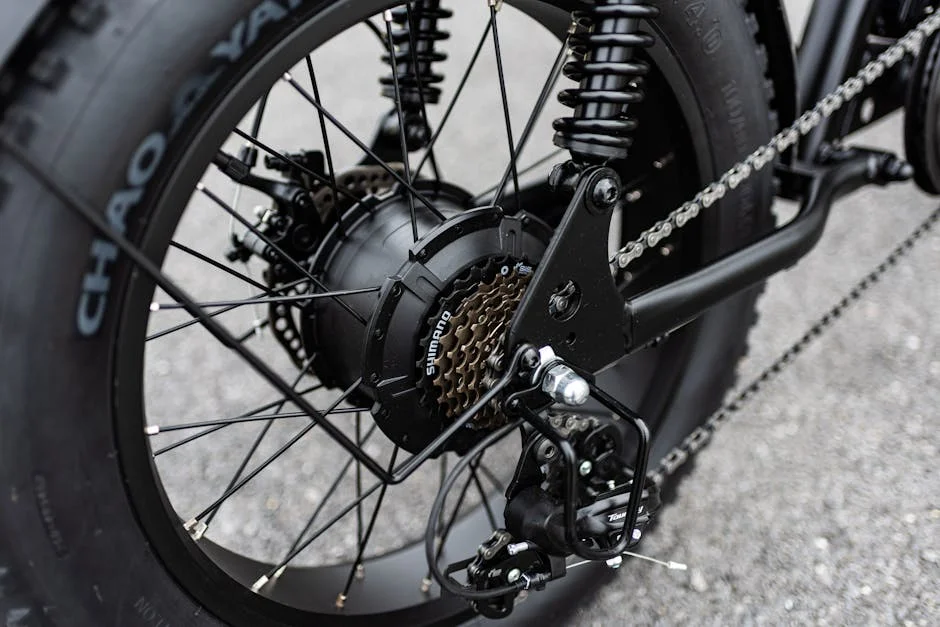
48V Electric Bike Buyer's Guide: Battery & Motor Pairing

Affiliate disclosure: Some links on this page are affiliate links. If you buy through them we earn a small commission at no extra cost to you. Recommendations are research-driven; we don't claim personal use of every product reviewed. Product prices and availability are accurate as of the date published and are subject to change. Always check Amazon for current pricing before purchasing. Learn more.
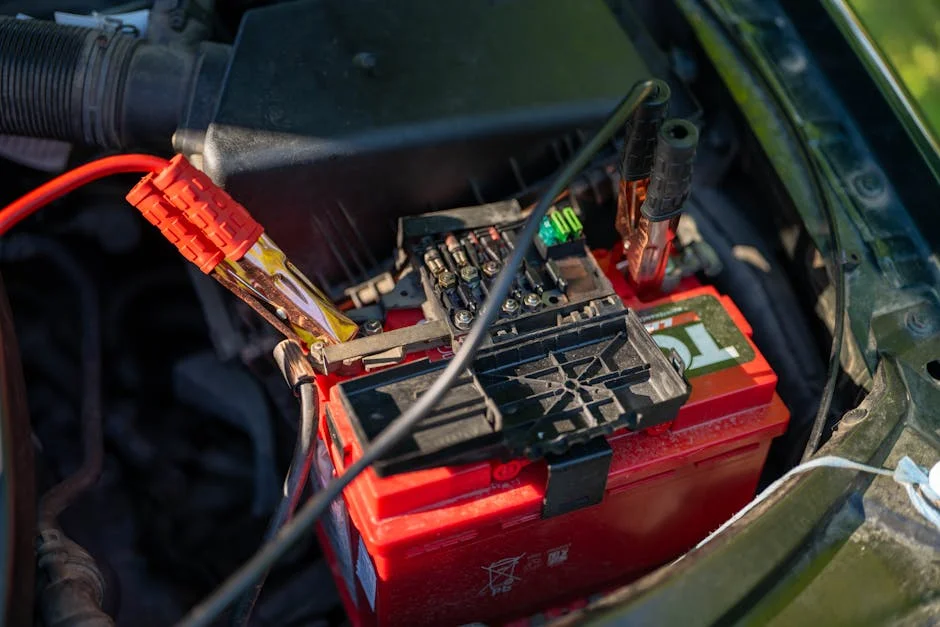
Quick Picks
Unbranded 48V Electric Bike Battery LG4800 21700 Cell for Ebike Conversion Wheel Kit and Rad Power Runner City - Lithium Ion eBike Battery for 48Volt 500W 750W 1500W Bafang and Other Kit(20Ah)
48V capacity suitable for e-bike conversion kits and specific models
Buy on AmazonYS YOSE POWER Electric Bike Battery 36V 48V 52V 13Ah 15Ah 17Ah 20Ah Lithium Electric Bicycle Battery for 250W 350W 500W 750W 1000W 1200W 1500W Ebike Motor
Multiple voltage and capacity options for different e-bike models
Buy on AmazonHAPPYRUN G300 Pro Electric Dirt Bike for Adults, 72V 30Ah Battery, 6500W Motor, 50 MPH Speed, 70 Mile Range, 350 Lbs Load Capacity, Hydraulic Brakes
72V 30Ah battery provides substantial 70 mile range per charge
Buy on Amazon| Product | Price Range | Top Strength | Key Weakness | Buy |
|---|---|---|---|---|
| Unbranded 48V Electric Bike Battery LG4800 21700 Cell for Ebike Conversion Wheel Kit and Rad Power Runner City - Lithium Ion eBike Battery for 48Volt 500W 750W 1500W Bafang and Other Kit(20Ah) best overall | $ | 48V capacity suitable for e-bike conversion kits and specific models | Unbranded product may lack manufacturer support and warranty clarity | Buy on Amazon |
| YS YOSE POWER Electric Bike Battery 36V 48V 52V 13Ah 15Ah 17Ah 20Ah Lithium Electric Bicycle Battery for 250W 350W 500W 750W 1000W 1200W 1500W Ebike Motor also consider | $$ | Multiple voltage and capacity options for different e-bike models | Generic brand with limited market recognition compared to established manufacturers | Buy on Amazon |
| HAPPYRUN G300 Pro Electric Dirt Bike for Adults, 72V 30Ah Battery, 6500W Motor, 50 MPH Speed, 70 Mile Range, 350 Lbs Load Capacity, Hydraulic Brakes also consider | $$ | 72V 30Ah battery provides substantial 70 mile range per charge | Large 72V battery system likely requires extended charging time | Buy on Amazon |
Choosing a 48V electric bike battery, or a complete 48V e-bike, means navigating a market where voltage ratings, cell quality, and capacity claims vary wildly across brands. The Batteries & Charging category covers this in depth, but the short version is this: the 48V platform has become the dominant standard for mid-drive and hub-motor builds because it balances range, motor compatibility, and charger availability better than any other voltage tier. Getting that pairing right determines whether your conversion or replacement battery performs the way the spec sheet suggests it should.
The harder problem is evaluating products that share a voltage rating but differ significantly in cell chemistry, real-world capacity, and discharge behavior under load. Manufacturer claims are a starting point, not a conclusion.
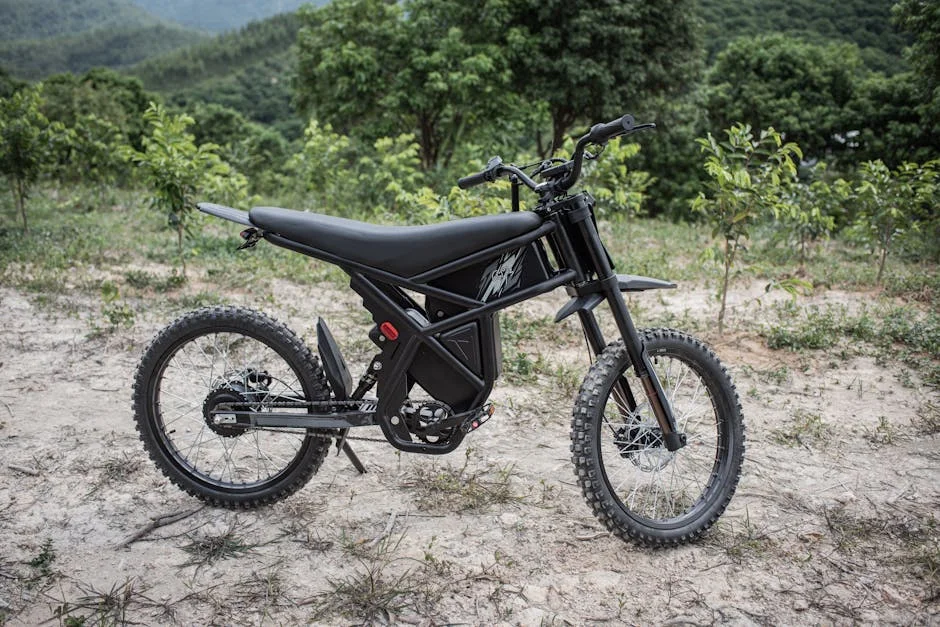
What to Look For in a 48V Electric Bike Battery or System
Cell Quality and Chemistry
The cells inside a lithium battery pack are the single most important variable in real-world performance. Samsung 35E, LG M50LT, Panasonic GA, and Molicel P42A are all cells that appear in quality aftermarket packs, they differ in discharge rate capability, cycle life, and thermal stability. Generic or unbranded cells from secondary manufacturers can measure fine at low discharge rates and degrade significantly under sustained climbing load.
Cylindrical cell format matters too. 18650 cells are the legacy standard, they work, and most quality 18650-based packs hold up well. 21700 cells offer higher capacity per cell and better thermal performance at elevated discharge rates. For trail riding with sustained climbs, 21700 packs are the better platform. Verified buyer reports consistently note the difference in heat buildup between cell formats during back-to-back technical climbs.
Capacity Claims vs. Usable Capacity
Nominal capacity (Ah) multiplied by voltage gives watt-hours, that’s the theoretical energy stored. What matters for range is usable capacity: how much of that energy is accessible at real-world discharge rates before the BMS cuts power to protect the cells. Manufacturers test at low current draw, often 0.2C or below, on flat ground at ambient temperature. Expect a meaningful gap between advertised capacity and what you see under climbing load.
Claimed range figures are near-useless for trail riding. Most manufacturers test on flat pavement at low assist. Riders on Front Range singletrack with sustained climbing, Hall Ranch, Walker Ranch, the Buffalo Creek network, should expect 40, 60% of spec range as a realistic planning figure. That is not a defect. It is physics. Build your range expectations around elevation gain and assist level, not the number on the product page.
BMS Specifications and Discharge Rate
The Battery Management System controls over-discharge protection, over-current cutoff, cell balancing, and thermal monitoring. A weak BMS is the most common failure point in budget packs, it will cut power mid-climb when cell voltage drops momentarily under load, even if the pack is not fully depleted. Look for BMS discharge rate specifications that exceed your motor’s peak current draw by a meaningful margin. A 750W motor at 48V draws roughly 15, 16A continuous; a 30A BMS provides real headroom. A 20A BMS on the same motor is a tighter margin than most riders want.
Physical Compatibility and Mount Type
Downtube-mount, rear rack-mount, frame triangle, and water bottle-style batteries are not interchangeable. Before ordering any replacement or conversion battery, confirm the mount type matches your frame, the discharge connector matches your controller (XT60, Anderson, or proprietary), and the physical dimensions clear your frame’s tolerances. This is a more common installation problem than most buyers anticipate. The full range of compatible options for different build types is worth reviewing in battery and charging resources before committing to a specific form factor.
Charging Infrastructure and Cycle Life
A pack rated for 500 cycles at 80% capacity retention is a meaningfully different product than one rated for 800 cycles. Charging infrastructure matters too, a 2A charger on a 20Ah pack takes ten hours. A 4A or 5A charger cuts that to four or five hours, which matters for riders doing back-to-back days. Confirm the included charger’s output rate matches your riding schedule, and check whether the BMS supports fast charging at the rated current without triggering thermal protection cutoffs prematurely.
Top Picks
48V Electric Bike Battery LG4800 21700 Cell
The 48V Electric Bike Battery LG4800 21700 Cell is built around LG 21700 cells, a meaningful spec detail that separates it from generic 18650-based packs in the same capacity range. Verified buyers consistently note stable performance under sustained load, which aligns with what 21700 chemistry delivers: higher energy density per cell and better thermal headroom during extended climbs compared to 18650-based alternatives.
The 20Ah capacity at 48V puts this pack at 960Wh nominal, a practical ceiling for most hub-motor conversion builds on trail bikes and commuters. Compatibility is broad: the product listing specifically calls out Rad Power Runner, Bafang motor kits, and generic conversion wheel kits, covering the majority of aftermarket builds in that power range. Buyers should verify the discharge connector type matches their controller before ordering, this is not pack-specific, but it is the most common installation friction point in conversion builds regardless of brand.
Owner feedback is consistently positive on build quality and the included charging option. For a conversion build running a 500W, 750W motor on terrain with real elevation gain, this is a well-supported option with a cell specification that justifies the buyer confidence it has earned.
Check current price on Amazon.
YS YOSE POWER Electric Bike Battery
The YS YOSE POWER Electric Bike Battery stands out for range across the voltage and capacity spectrum it covers, 36V, 48V, and 52V, with capacity options from 13Ah through 20Ah. That breadth makes it one of the more versatile options for builders who want a single vendor relationship across different motor power levels or who are speccing a build before finalizing the motor. At 48V 20Ah, it competes directly with the LG4800 pack above on nominal capacity.
The product is listed for motors from 250W through 1500W, which is an aggressive range for a single battery platform. The BMS specifications matter here, a 1500W motor at 48V is pulling over 30A continuous, and buyers running higher-power motors should verify the BMS discharge ceiling matches that load before assuming compatibility. For 500W and 750W builds, verified buyer reports indicate consistent performance and reliable charge cycles.
YS YOSE POWER has built a credible reputation in the aftermarket battery space. Owner reviews note the quality of the cell construction and reliable BMS behavior at moderate power levels. For riders building or upgrading a mid-power hub motor system, this is a legitimate option with documented community support.
Check current price on Amazon.
HAPPYRUN G300 Pro Electric Dirt Bike
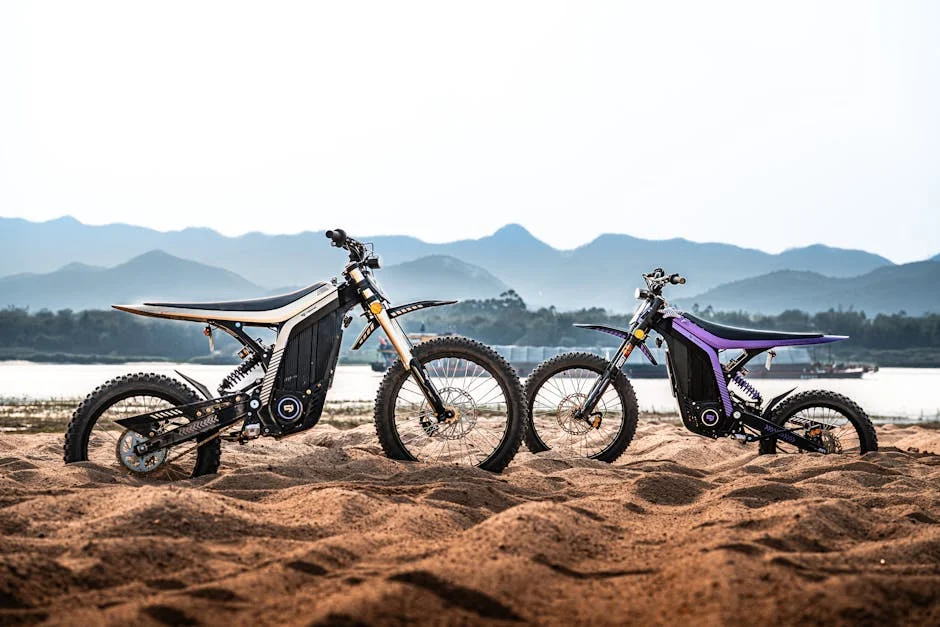
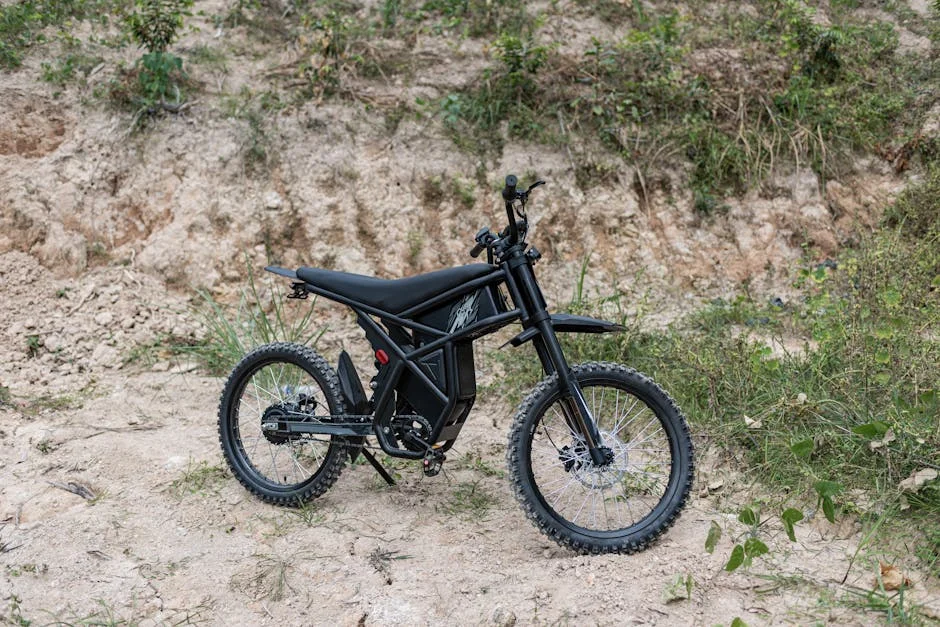
The HAPPYRUN G300 Pro Electric Dirt Bike is a different category of product from the two battery packs above, this is a complete electric off-road motorcycle, not a battery or conversion component. Running a 72V 30Ah system with a 6500W motor, it sits outside the 48V platform entirely. The voltage is higher, the motor power is higher, and the intended use case is closer to electric motocross than to e-MTB or urban commuting.
Speed and range claims land at 50 MPH and 70 miles respectively. Applying the same range skepticism that applies to any lithium e-vehicle: the 70-mile figure almost certainly reflects flat-road, low-throttle conditions. Aggressive trail use with sustained high-power output will produce a significantly shorter range figure. Hydraulic brakes are a genuinely useful spec at this power level, mechanical brakes on a vehicle capable of 50 MPH are an underspec choice, and HAPPYRUN made the right call here.
Load capacity of 350 lbs is relevant for riders who fall outside the weight range that constrains lighter e-bike platforms. Verified buyers describe it as a capable and powerful machine for off-road riding, with the build quality matching expectations for the price tier. This is not a trail mountain bike complement, it is a standalone off-road vehicle for riders who want dedicated electric dirt-bike capability.
Check current price on Amazon.
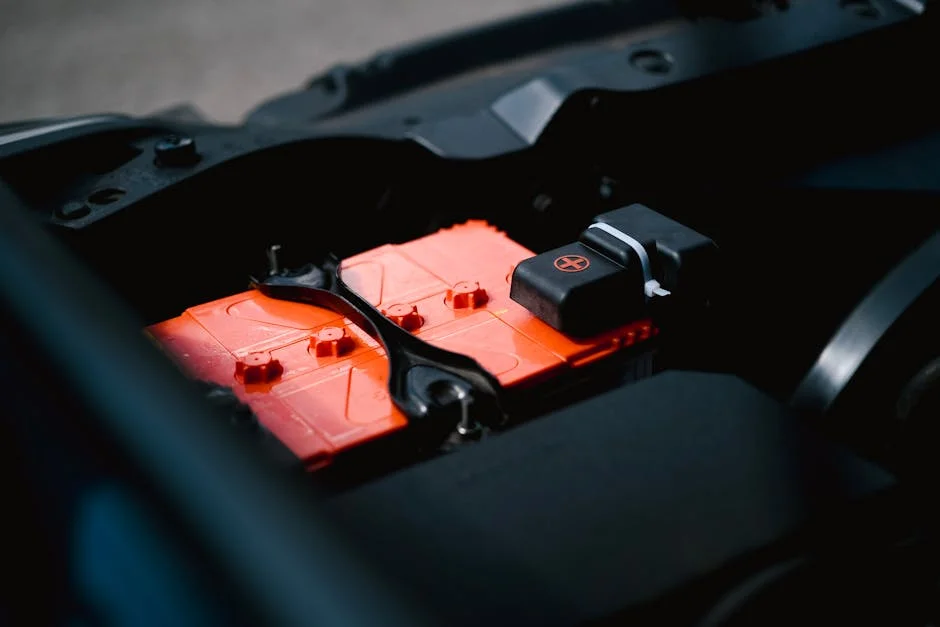
Buying Guide
Matching Voltage to Your Motor System
The 48V platform is the right choice for the majority of hub-motor and mid-drive conversion builds in the 500W, 1000W range. It offers broad charger availability, wide controller compatibility, and a mature BMS ecosystem. Going below 48V (36V) reduces available torque at a given current level. Going above (52V nominal) delivers marginally better motor performance but narrows the compatible charger and controller pool. For most buyers building or upgrading a trail-capable e-bike, 48V is the pragmatic standard.
Confirm your motor controller’s input voltage range before purchasing any battery. Most 48V controllers accept a nominal 48V pack (charged to 54.6V) without issue, but some budget controllers specify a tighter voltage window. This is a five-minute specification check that prevents a compatibility problem after the battery arrives.
Capacity Sizing for Your Riding Pattern
Choosing between 13Ah, 17Ah, and 20Ah capacity comes down to ride length, elevation gain, and assist level. For urban commuting on flat terrain at low assist, a 13Ah pack covers most daily distances without issue. For trail riding with significant climbing, the kind of riding where 40, 60% of spec range is a realistic planning assumption, 17Ah is a sensible floor and 20Ah provides meaningful buffer.
Heavier packs cost more and add weight to the bike. The weight penalty matters more on trail bikes than commuters, but a 20Ah pack in a 21700 format is noticeably lighter than a 20Ah pack in 18650 format at equivalent capacity. Factor both variables into the decision. For more context on capacity trade-offs across battery types, the Batteries & Charging hub covers the full range of options.
Understanding BMS Discharge Ratings
BMS discharge rating is the specification most buyers skip and most regret skipping. The BMS determines how much current the pack can deliver before cutting power to protect the cells. A BMS rated for 20A continuous on a motor that peaks at 25A will cut out on steep climbs, not because the pack is depleted, but because the BMS is doing its job at the wrong threshold.
Match BMS continuous discharge rating to your motor’s peak current draw with meaningful headroom. For a 750W motor at 48V, a 25, 30A BMS is appropriate. For a 1000W motor, look for 30A or above. This information should appear in the product specifications, if it is absent, that is itself a signal about the product’s documentation quality.
Complete Bike vs. Conversion Battery
The HAPPYRUN G300 Pro represents a fundamentally different buying decision than a replacement or conversion battery. Complete electric off-road vehicles eliminate the compatibility research burden but remove the ability to tune individual components. For riders who want a ready-to-ride platform without building or speccing a conversion, a complete system is the faster path. For riders who already have a bike frame they want to preserve, or who want to match a specific motor, controller, and battery combination, a conversion battery is the right tool.
Neither approach is universally superior. The decision turns on whether you want to build a system or buy one.
Verifying Physical Fit Before Ordering
Connector type, mount geometry, and physical dimensions all need confirmation before a battery ships. XT60 connectors are common in quality conversion kits. Anderson PowerPole connectors appear in some systems. Proprietary connectors on some OEM batteries require an adapter or replacement connector. Check the product listing’s connector specification against your controller’s input harness, and if the listing does not specify, contact the seller directly before purchasing. A battery that arrives with the wrong connector is a solvable problem, but it adds lead time and cost that a ten-minute pre-purchase check prevents.
Frequently Asked Questions
What does 48V mean on an electric bike battery, and why does it matter?
48V refers to the nominal voltage of the battery pack, a standardized figure that reflects the average operating voltage across the pack’s discharge curve, not the peak or minimum. It matters because motor controllers are designed for specific voltage ranges, and mismatching battery voltage to controller spec risks damage or performance loss. The 48V platform is the most widely supported standard for 500W, 1000W hub-motor and mid-drive builds, which is why it dominates the aftermarket conversion battery market.
How do I choose between 13Ah, 17Ah, and 20Ah capacity for trail riding?
For trail riding with real climbing, start with 17Ah as a floor. Manufacturer range claims reflect flat-pavement, low-assist testing, expect 40, 60% of that figure on technical singletrack with sustained elevation gain. A 20Ah pack extends that buffer meaningfully without a prohibitive weight penalty, especially in a 21700 cell format. If your typical ride is under 15 miles with moderate elevation, 13Ah may be sufficient.
Is the HAPPYRUN G300 Pro compatible with standard 48V e-bike components?
No, the G300 Pro runs a 72V system, which is a different voltage platform entirely. It is not compatible with standard 48V controllers, chargers, or BMS components. The G300 Pro is a complete off-road electric motorcycle, not a modular e-bike platform. Buyers looking for a 48V conversion battery should look at the 48V Electric Bike Battery LG4800 21700 Cell or the YS YOSE POWER Electric Bike Battery instead.
How do I verify that a replacement battery will physically fit my e-bike?
Check four things: mount type (downtube, rear rack, frame triangle, or water bottle), physical dimensions against your frame’s clearances, discharge connector type against your controller’s input harness, and the charged voltage ceiling against your controller’s input range. Most aftermarket batteries list these specifications, if a listing omits connector type, contact the seller before ordering. Physical fit problems are solvable but add cost and lead time. Five minutes of pre-purchase verification prevents most of them.
What is the difference between the LG4800 21700 Cell battery and the YS YOSE POWER battery?
The LG4800 pack specifies LG 21700 cells, a defined cell chemistry with documented performance characteristics. The YS YOSE POWER offers broader voltage and capacity options across a single product line, making it a more flexible choice for builders speccing multiple builds or different motor power levels. Both are well-reviewed options in the 48V 20Ah tier. The LG4800 is the stronger choice if 21700 cell format is a priority; the YS YOSE POWER is the better option if you need flexibility across voltage ranges or capacity tiers.
Where to Buy
Unbranded 48V Electric Bike Battery LG4800 21700 Cell for Ebike Conversion Wheel Kit and Rad Power Runner City - Lithium Ion eBike Battery for 48Volt 500W 750W 1500W Bafang and Other Kit(20Ah)See 48V Electric Bike Battery LG4800 2170… on Amazon