Swytch eBike Conversion Kit Reviewed and Compared

Affiliate disclosure: Some links on this page are affiliate links. If you buy through them we earn a small commission at no extra cost to you. Recommendations are research-driven; we don't claim personal use of every product reviewed. Product prices and availability are accurate as of the date published and are subject to change. Always check Amazon for current pricing before purchasing. Learn more.
Quick Picks
PEXMOR Electric Bike Conversion Kit, 20" Front Wheel Adult E-Bike Conversion Kit, 36V 750W Ebike Hub Motor Kit Upgrade 3 Mode Controller w/PAS/LCD Display Electric Bicycle Ebike Wheel Kit
750W motor provides substantial power for adult riders
Buy on AmazonPEXMOR Electric Bike Conversion Kit, 48V 1200W 26" Front/Rear Wheel E-Bike Conversion Kit with 3 Mode Controller, PAS, LCD Display, Twist Throttle
High 1200W motor provides strong acceleration and hill climbing power
Buy on AmazonPEXMOR Electric Bike Conversion Kit, 20"/24" Front Wheel Ebike Conversion Kit, 36V 750W Electric Bike Hub Motor Kit w/3 Mode Controller/PAS/LCD Display/Twist Throttle Electric Bicycle Ebike Kit
750W motor provides substantial power for pedal assistance
Buy on Amazon| Product | Price Range | Top Strength | Key Weakness | Buy |
|---|---|---|---|---|
| PEXMOR Electric Bike Conversion Kit, 20" Front Wheel Adult E-Bike Conversion Kit, 36V 750W Ebike Hub Motor Kit Upgrade 3 Mode Controller w/PAS/LCD Display Electric Bicycle Ebike Wheel Kit also consider | $$ | 750W motor provides substantial power for adult riders | Conversion kits require mechanical assembly and technical knowledge | Buy on Amazon |
| PEXMOR Electric Bike Conversion Kit, 48V 1200W 26" Front/Rear Wheel E-Bike Conversion Kit with 3 Mode Controller, PAS, LCD Display, Twist Throttle also consider | $$ | High 1200W motor provides strong acceleration and hill climbing power | Conversion kits require mechanical skill and tools for proper installation | Buy on Amazon |
| PEXMOR Electric Bike Conversion Kit, 20"/24" Front Wheel Ebike Conversion Kit, 36V 750W Electric Bike Hub Motor Kit w/3 Mode Controller/PAS/LCD Display/Twist Throttle Electric Bicycle Ebike Kit also consider | $$ | 750W motor provides substantial power for pedal assistance | Conversion kit requires mechanical installation skills and tools | Buy on Amazon |
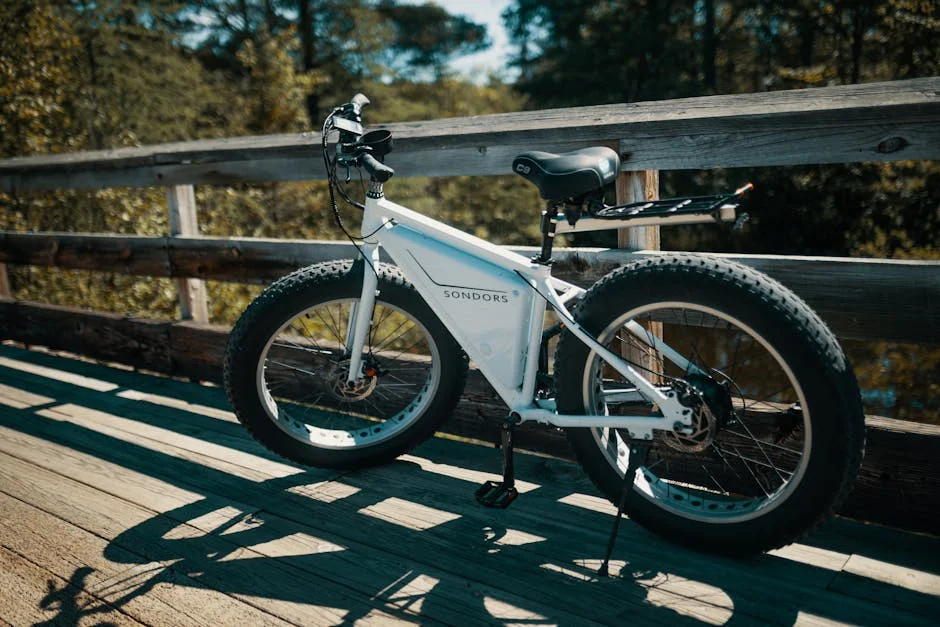
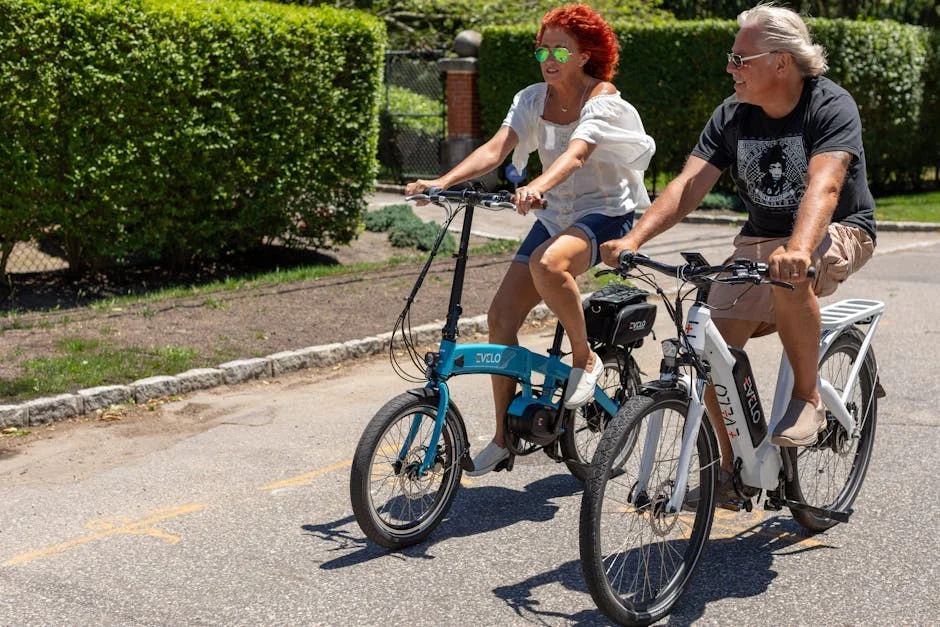
Swytch is one of the most recognizable names in the e-bike conversion space, but it isn’t the only option worth understanding. Whether you’re researching Swytch specifically or comparing it against competing kits before committing, the broader conversion kit category covers a wide range of motor systems, wheel sizes, and voltage configurations that matter more than brand recognition.
The PEXMOR lineup sits firmly in the mid-range tier and covers several common wheel sizes and power configurations. The three kits reviewed here represent real alternatives for riders who want a hub motor conversion without paying premium pricing. For a broader look at the category, the Conversion Kits hub covers additional options across budget and performance tiers.
What the Swytch Ebike Conversion Kit Represents (And What to Compare)
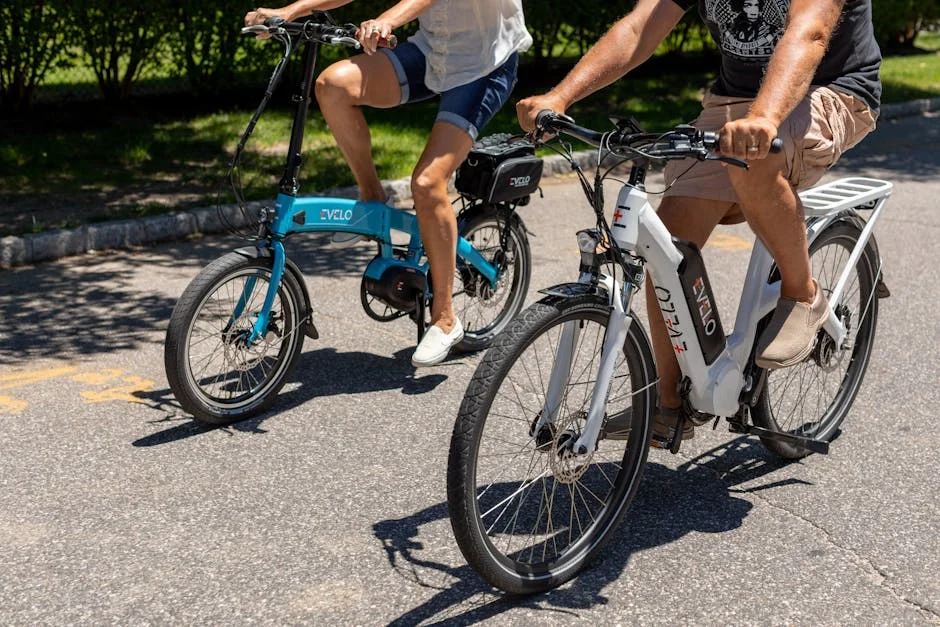
The Swytch kit built its reputation on a front-wheel hub motor system paired with a battery that clips to the handlebar or mounts on the fork. The appeal is compact packaging and relatively simple installation. The trade-off is that front-wheel drive has real handling consequences, particularly on loose or technical terrain, because you’re adding both weight and torque to the steering axis.
For most road and gravel riders, front-wheel drive is acceptable. For anyone riding mixed surfaces, loose dirt, or wet pavement, a rear-wheel conversion delivers better traction because the driven wheel stays planted under power. Understanding that distinction matters before selecting any conversion kit, Swytch or otherwise. The Pexmor Electric Bike Conversion Kit overview covers how PEXMOR positions its kits relative to this front-versus-rear decision.
The other Swytch trade-off worth naming is the proprietary battery system. Swytch uses its own battery form factor, which means replacement or upgrade options are limited to their ecosystem. PEXMOR kits use more standardized 36V and 48V battery connections, which gives buyers more flexibility with third-party battery upgrades over time.
Top Picks
PEXMOR Electric Bike Conversion Kit, 20” Front Wheel (36V 750W)
The PEXMOR Electric Bike Conversion Kit, 20” Front Wheel Adult E-Bike Conversion Kit, 36V 750W targets folding bikes, small-wheel city bikes, and compact utility bicycles that run a 20-inch front wheel. The 36V system is a sensible voltage choice for this power class. It keeps heat generation manageable and pairs well with a 750W hub motor that delivers enough torque for flat-to-rolling terrain without overwhelming the frame geometry of a small-wheel bike.
The kit includes a 3-mode controller, PAS (pedal assist system), LCD display, and twist throttle. The controller mode options let riders dial between a more conservative assist level for range preservation and a higher output mode for hill assistance. Verified buyers note that the LCD display is readable in direct sunlight and that the PAS sensor calibration is straightforward once the wheel is installed.
Front-wheel placement does add unsprung weight to the steering, which is noticeable on a small-wheel bike because the wheelbase is shorter and steering inputs feel more direct. On 20-inch applications, this effect is less severe than on 26-inch or 29-inch bikes because the smaller wheel has lower rotational inertia overall. For flat urban use, owner reports suggest the handling adjustment is minor. For anyone planning mixed-surface use, rear-wheel placement is worth considering even if it adds installation complexity.
Check current price on Amazon.
PEXMOR Electric Bike Conversion Kit, 48V 1200W 26” Front/Rear Wheel
The PEXMOR Electric Bike Conversion Kit, 48V 1200W 26” Front/Rear Wheel E-Bike Conversion Kit is the most powerful option in this comparison. The jump from 36V to 48V and from 750W to 1200W is meaningful in real riding conditions. Higher voltage means less voltage sag under load, which translates to more consistent power delivery on sustained climbs rather than a soft drop-off as the battery discharges. The 1200W peak output puts this kit in a different performance tier than entry-level conversions.
The front/rear wheel option at purchase is an important choice. Spec data shows the kit ships as either a front or rear hub motor configuration, but that choice is made at order time. Buyers who select rear-wheel placement get the traction advantage on hills and wet surfaces. Front-wheel placement simplifies installation because it avoids routing around the drivetrain, but on a 1200W system, front-wheel torque steer under hard acceleration is more pronounced than it would be on a 750W kit. Forum consensus on r/ebikes reflects that higher-wattage front hub motors require more deliberate throttle management to maintain straight-line control.
The 3-mode controller, PAS, LCD display, and twist throttle are included. Field reports from buyer communities indicate the LCD is functional and provides basic trip data, though it isn’t the most refined display in the category. At the 48V 1200W power level, this kit suits cargo bike conversions, heavier riders, or anyone dealing with significant grade on their regular routes. The 26-inch wheel size is compatible with a large share of older mountain bikes and hybrid frames.
Check current price on Amazon.
PEXMOR Electric Bike Conversion Kit, 20”/24” Front Wheel (36V 750W)
The PEXMOR Electric Bike Conversion Kit, 20”/24” Front Wheel Ebike Conversion Kit, 36V 750W is the most flexible option in the PEXMOR lineup reviewed here specifically because it covers two wheel sizes. The 20-inch and 24-inch compatibility makes it viable for kids’ bikes being converted for adult short-range use, BMX-geometry commuters, or smaller-frame bikes where the rider has confirmed their wheel size falls in one of those two ranges.
The 36V 750W specification matches the first kit in this comparison, so the performance characteristics are similar. The motor provides enough output for flat to moderate terrain, PAS integration keeps the riding feel natural at lower assist levels, and the twist throttle gives a full-power override when needed. Verified buyers using this kit on 24-inch wheel bikes note that the hub motor installation is manageable with basic mechanical tools and that the LCD setup instructions are adequate for first-time converters with patience.
The front-wheel placement adds unsprung weight to steering on both wheel sizes, and the 24-inch application does feel slightly more pronounced than the 20-inch version because the wheel radius is larger and the gyroscopic effect increases. This kit is not positioned for technical trail use. Its practical territory is urban commuting, neighborhood riding, and light path use where the surface is predictable and the rider wants modest pedal assistance without a high-voltage system.
Check current price on Amazon.
Buying Guide: What to Evaluate Before Buying a Hub Motor Conversion Kit
Voltage and Wattage Match Your Use Case
The 36V versus 48V decision isn’t just about raw power. Voltage affects the entire system, including battery capacity options, controller efficiency, and how well the motor handles sustained load. A 36V 750W kit is well-matched for flat urban riding and light commuting. A 48V 1200W kit is appropriate when the route includes real hills, the rider is heavier, or the bike carries cargo. Mismatching voltage to use case is a common mistake: buyers select the higher-wattage kit expecting better range, but range is primarily a function of battery capacity (watt-hours), not motor wattage.
Front Wheel vs. Rear Wheel Hub Motor Placement
Front-wheel hub motors are easier to install because they don’t interact with the drivetrain, derailleur, or cassette. The trade-off is handling. Front hub motors add weight and torque to the steering axis, which affects straight-line tracking under acceleration and reduces grip on loose or wet surfaces because the driven wheel is unweighted relative to the rear. Rear-wheel hub motors require working around the existing drivetrain and cassette compatibility, but they deliver better traction, more natural handling, and a riding feel closer to a purpose-built e-bike. The Conversion Kits hub includes additional resources on drivetrain compatibility for rear-wheel installations.
Wheel Size Compatibility and Frame Clearance
Hub motor kits ship with a specific wheel size built into the motor lacing. Buying a 26-inch kit for a bike that runs 700c wheels, or a 20-inch kit for a frame expecting a 24-inch wheel, results in a non-functional installation. Measure the existing wheel diameter before ordering. Also check fork dropout width: most conversion kits use a 100mm front dropout spacing (standard for most bikes), but some older frames and specialty bikes differ. Rear dropout spacing varies between 130mm (road) and 135mm (mountain/hybrid), so confirm before selecting a rear hub kit.
Controller Mode Configuration and PAS Sensor Accuracy
The 3-mode controllers on the PEXMOR kits offer meaningful flexibility. Mode selection affects not just top speed but also the PAS response curve, which determines how aggressively the motor engages when cadence is detected. Buyers who want a natural pedal-feel prioritize a smooth PAS curve at low assist levels. Buyers who want maximum acceleration on demand prioritize throttle response. Field reports indicate that PAS sensor quality varies between kit manufacturers, and that cadence-based sensors (which most budget and mid-range kits use) have a slight engagement lag compared to torque sensors found on premium complete e-bikes.
Battery Integration and Long-Term Serviceability
Most hub motor conversion kits ship without a battery or with a battery sold separately. The battery selection matters as much as the motor. Key specs to evaluate are watt-hour capacity (which determines range), cell quality (branded cells from known manufacturers versus generic), and whether the battery uses a connector standard common enough to allow third-party replacement. Proprietary systems lock buyers into a single ecosystem. Standardized connectors, common in the PEXMOR range, allow more flexibility over the life of the conversion. Service access is also worth considering: hub motor kits from domestic sellers with accessible customer support are easier to troubleshoot than kits requiring international return shipping.
Frequently Asked Questions
How does the Swytch ebike conversion kit compare to PEXMOR kits?
Swytch built its kit around a proprietary battery system that attaches to the handlebar or fork, prioritizing compact packaging and brand-managed installation. PEXMOR kits use more standardized voltage connections and give buyers more flexibility in battery selection over time. The core motor technology (front-wheel hub motor with PAS and throttle) is conceptually similar across both brands. The main differences are in the battery ecosystem, motor wattage options, and price tier positioning.
Can I install a hub motor conversion kit without mechanical experience?
Installation is within reach for a mechanically inclined rider who is comfortable with basic bike maintenance, but it is not a plug-and-play process. Wheel removal and reinstallation, cable routing, brake sensor integration, and PAS magnet alignment all require patience and the right tools. Verified buyer reports suggest the PEXMOR kits include adequate instructions, though a first-time installer should expect to spend several hours and reference video tutorials. Anyone unfamiliar with truing wheels or adjusting dropouts should consider having a bike shop assist with final installation.
What battery do I need for a PEXMOR conversion kit?
PEXMOR kits require a battery that matches the kit’s voltage (36V or 48V) and uses a compatible connector. The kits typically do not include a battery, so buyers need to source one separately or purchase a bundled option if available. Watt-hour capacity determines range. A 36V 10Ah battery provides 360Wh, which supports roughly 20 to 35 miles of assisted riding depending on terrain, rider weight, and assist level.
Will a front hub motor affect my bike’s handling?
Yes, and the effect is more noticeable under hard acceleration or on loose surfaces. Front hub motors add unsprung weight to the fork and steering assembly, which increases the effort required to initiate turns and can cause the front wheel to lose traction if full throttle is applied on low-grip surfaces. At 750W, the effect is manageable for most riders on pavement. At 1200W, more deliberate throttle modulation is required.
Is a conversion kit or a complete e-bike a better value?
The answer depends on what bike you’re starting with. If you already own a quality bike that fits well and is in good mechanical condition, converting it preserves the fit and frame investment while adding assist capability at a lower total cost than a complete e-bike. If the donor bike is worn, undersized, or a poor quality foundation, conversion costs may not justify the result. Mid-range conversion kits are a strong value proposition for riders with a solid existing bike who want flexibility over a purpose-built system.

<script type="application/ld+json">
{
"@context": "https://schema.org",
"@type": "FAQPage",
"mainEntity": [
{
"@type": "Question",
"name": "How does the Swytch ebike conversion kit compare to PEXMOR kits?",
"acceptedAnswer": {
"@type": "Answer",
"text": "Swytch built its kit around a proprietary battery system that attaches to the handlebar or fork, prioritizing compact packaging and brand-managed installation. PEXMOR kits use more standardized voltage connections and give buyers more flexibility in battery selection over time. The core motor technology (front-wheel hub motor with PAS and throttle) is conceptually similar across both brands. The main differences are in the battery ecosystem, motor wattage options, and price tier positioning."
}
},
{
"@type": "Question",
"name": "Can I install a hub motor conversion kit without mechanical experience?",
"acceptedAnswer": {
"@type": "Answer",
"text": "Installation is within reach for a mechanically inclined rider who is comfortable with basic bike maintenance, but it is not a plug-and-play process. Wheel removal and reinstallation, cable routing, brake sensor integration, and PAS magnet alignment all require patience and the right tools. Verified buyer reports suggest the PEXMOR kits include adequate instructions, though a first-time installer should expect to spend several hours and reference video tutorials. Anyone unfamiliar with truing wheels or adjusting dropouts should consider having a bike shop assist with final installation."
}
},
{
"@type": "Question",
"name": "What battery do I need for a PEXMOR conversion kit?",
"acceptedAnswer": {
"@type": "Answer",
"text": "PEXMOR kits require a battery that matches the kit's voltage (36V or 48V) and uses a compatible connector. The kits typically do not include a battery, so buyers need to source one separately or purchase a bundled option if available. Watt-hour capacity determines range. A 36V 10Ah battery provides 360Wh, which supports roughly 20 to 35 miles of assisted riding depending on terrain, rider weight, and assist level. A higher-capacity battery on the same system extends range proportionally."
}
},
{
"@type": "Question",
"name": "Will a front hub motor affect my bike's handling?",
"acceptedAnswer": {
"@type": "Answer",
"text": "Yes, and the effect is more noticeable under hard acceleration or on loose surfaces. Front hub motors add unsprung weight to the fork and steering assembly, which increases the effort required to initiate turns and can cause the front wheel to lose traction if full throttle is applied on low-grip surfaces. At 750W, the effect is manageable for most riders on pavement. At 1200W, more deliberate throttle modulation is required. Riders who prioritize handling should prioritize a rear-wheel kit configuration over front."
}
},
{
"@type": "Question",
"name": "Is a conversion kit or a complete e-bike a better value?",
"acceptedAnswer": {
"@type": "Answer",
"text": "The answer depends on what bike you're starting with. If you already own a quality bike that fits well and is in good mechanical condition, converting it preserves the fit and frame investment while adding assist capability at a lower total cost than a complete e-bike. If the donor bike is worn, undersized, or a poor quality foundation, conversion costs may not justify the result. Mid-range conversion kits are a strong value proposition for riders with a solid existing bike who want flexibility over a purpose-built system."
}
}
]
}
</script>Where to Buy
PEXMOR Electric Bike Conversion Kit, 20" Front Wheel Adult E-Bike Conversion Kit, 36V 750W Ebike Hub Motor Kit Upgrade 3 Mode Controller w/PAS/LCD Display Electric Bicycle Ebike Wheel KitSee PEXMOR Electric Bike Conversion Kit, … on Amazon